24 July 2026
Stray Dogs in Morocco: Understanding the Full Picture
Understanding stray dogs in Morocco: the causes, the TNVR programme, the 2019 agreement and the role of rescues. A balanced, practical look at how to help.
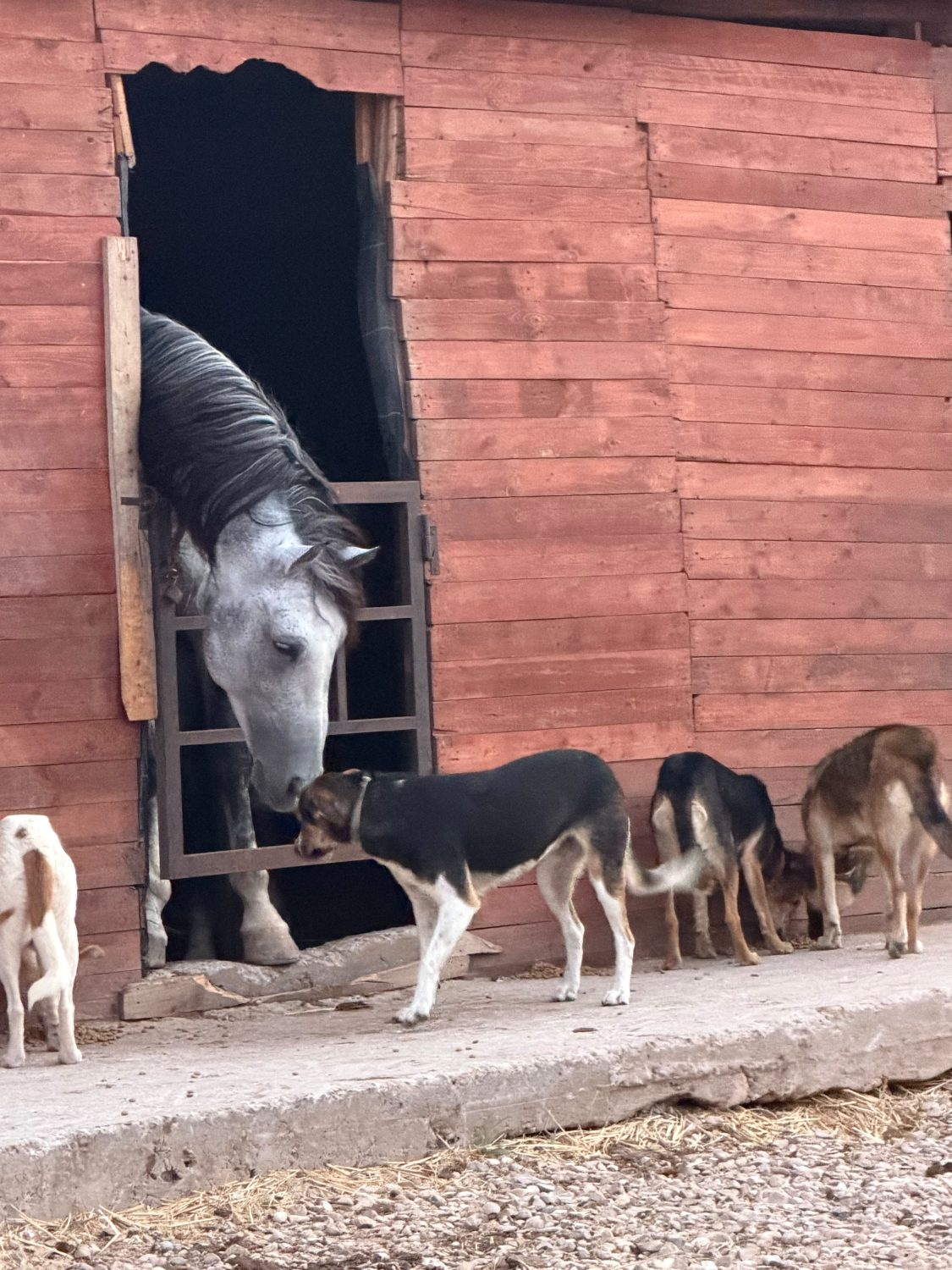
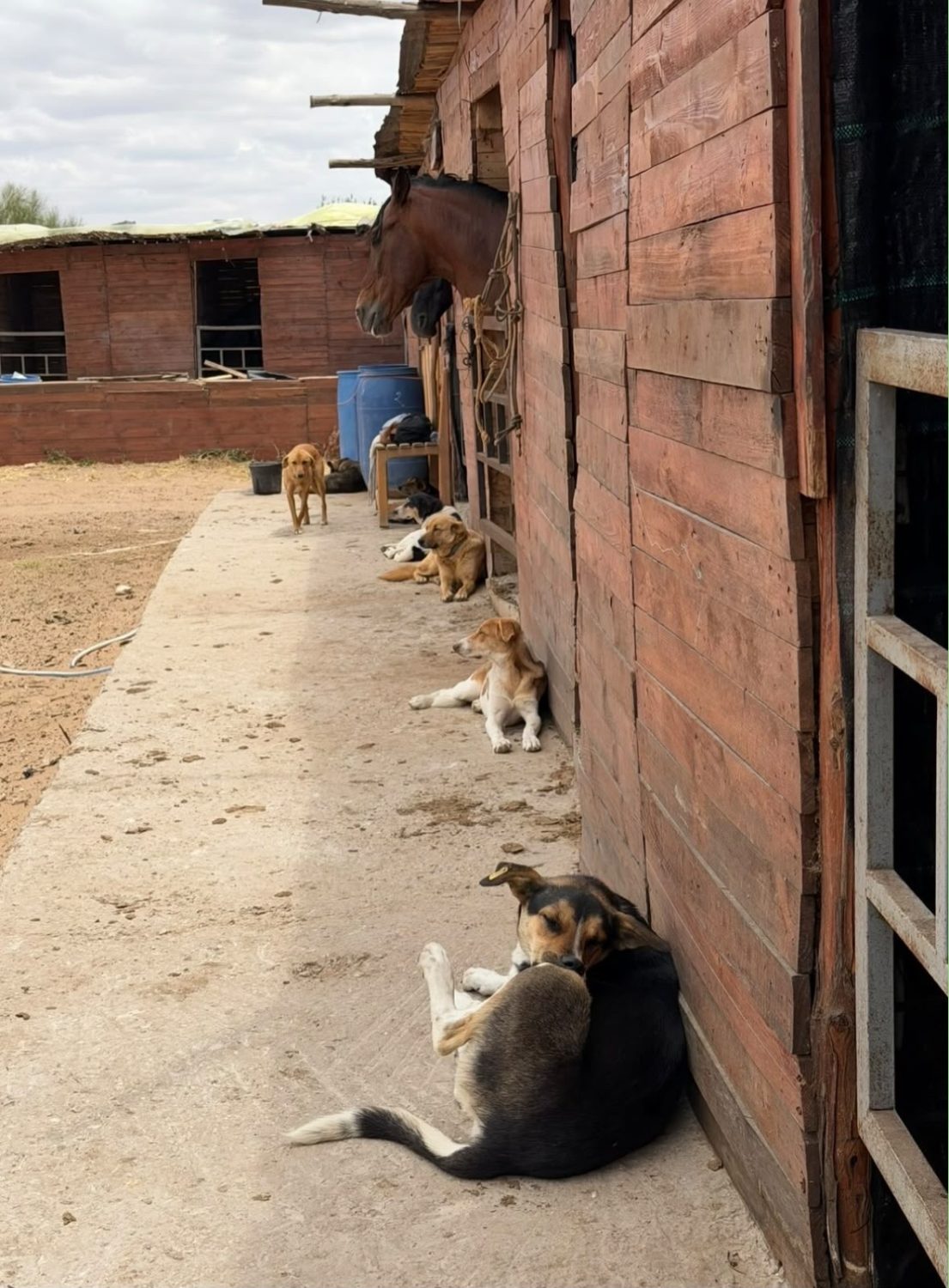
If you have ever wandered the narrow streets of Essaouira or walked along its beaches, chances are you have come across stray dogs. In Morocco, these animals have been part of the landscape for a very long time, to the point of becoming full-fledged residents of both towns and countryside. Understanding the reality of stray dogs in Morocco, without caricature or judgement, is the starting point for any meaningful action. Here is what you need to know about their day-to-day lives, about the TNVR programme, and about the role that rescues like ours play.
A long-standing presence, with many causes
Street dogs are nothing new: they have lived alongside people for generations. Their numbers come down to several factors that overlap, with no single one telling the whole story:
- uncontrolled breeding, in the absence of widespread spaying and neutering;
- abandonment, just as anywhere else in the world;
- food that is easy to find around markets, rubbish and inhabited neighbourhoods;
- a mild climate that makes outdoor survival easier.
It would be unfair to reduce Morocco to this picture alone. Many people feed the dogs in their neighbourhood, watch over them and treat them as four-legged neighbours. On the ground, dogs and residents live side by side far more often than you might imagine. The reality is nuanced, shaped by affection as much as by hardship.
The turning point of 2017 and the 2019 agreement
An important shift began in 2017: King Mohammed VI called for old methods such as culling and poisoning to be abandoned in favour of a more humane and lasting approach.
This commitment took concrete shape in a framework agreement signed in 2019, bringing together the Ministry of the Interior, the Ministry of Health, ONSSA (the National Food Safety Office) and the national veterinary association. Together, they drive a nationwide strategy known as TNVR.
How does TNVR actually work?
TNVR stands for "Trap, Neuter, Vaccinate, Return." The dogs involved are:
- caught carefully;
- spayed or neutered to keep the population under control over the long term;
- vaccinated against rabies and dewormed;
- identified with an ear tag;
- then returned to where they were living.
The tag fixed to the ear plays a simple but essential role: it shows at a glance that a dog has already been cared for, so it is not caught a second time. This spaying and neutering of stray dogs is the key: rather than removing the animals, the aim is to stabilise their numbers over time while protecting public health, not least through vaccination against rabies.
Very real challenges
A programme like this demands considerable resources. Two difficulties come up again and again:
- the high cost of trapping, treating and sterilising the dogs;
- the limited number of vets trained in sterilisation, especially outside the larger cities.
These obstacles explain why results take time, and why support from people on the ground remains so valuable. TNVR in Morocco is a long-term effort, not an instant fix.
Where Wild Sun fits in
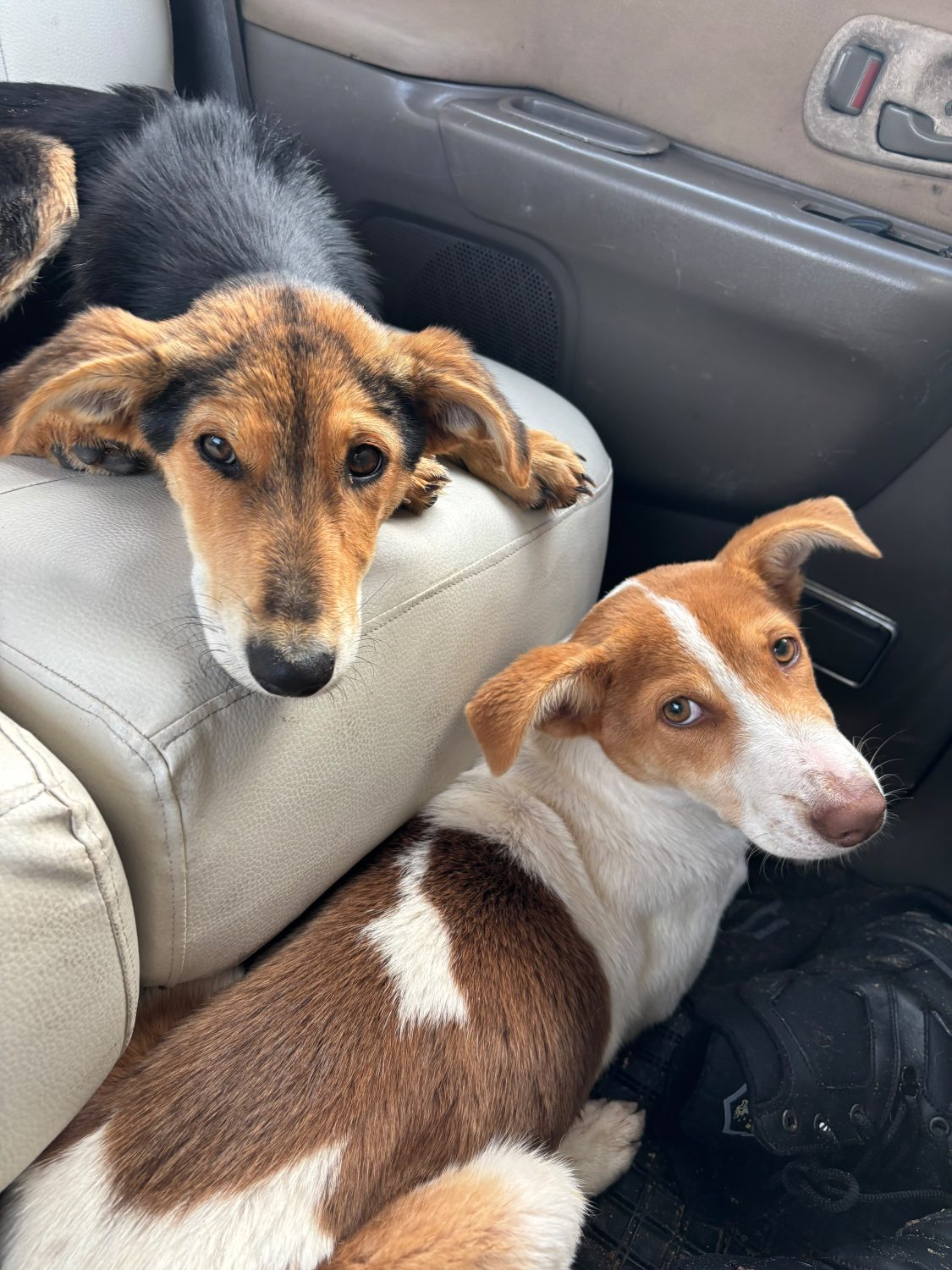
The national programme works at the level of whole populations. Rescues, on the other hand, step in case by case, alongside the most vulnerable dogs. In Essaouira, Wild Sun Rescue takes in street dogs — strays, injured or abandoned — cares for them, spays or neuters them, socialises them, and then guides them towards adoption, often in France and elsewhere in Europe, sometimes locally. Our three pillars stay simple: rescue, heal, support.
Bringing a dog from Morocco to Europe involves precise health procedures spread over several months; this is another reason why going through a trusted rescue makes all the difference.
We are not alone. A whole ecosystem of people and groups moves the cause forward, each in their own way:
- La Kasba de Loulou, a shelter in Essaouira that takes in cats and dogs;
- Comme Chiens et Chats, a network of foster homes in Rabat, Casablanca and Essaouira;
- Help the Street Animals of Morocco (HSAM), in Essaouira;
- the SPA du Maroc and Morocco Animal Aid, working nationwide.
Far from any rivalry, what matters is how these efforts complement one another: authorities, vets, volunteers and rescues all pulling in the same direction.
Understand first, then act with us
Simply gaining a clearer understanding of the situation of Morocco's dogs is already a great deal. If you would like to go further, you can adopt, sponsor one of our dogs, become a foster home, make a donation or simply follow our daily life on Instagram @wildsunrescuedogs. Every gesture, however small, helps a dog find a gentler life.
Quick quiz
Did it all sink in? Test your knowledge with a few questions.
Quick quiz
Answer to test your knowledge — the results show on click.
1. What does the acronym TNVR mean when applied to stray dogs in Morocco?
TNVR does indeed mean trapping, neutering, vaccinating and then returning the dogs to where they were living.
2. In what year was the national framework agreement bringing several institutions together around TNVR signed?
It was in 2019 that the framework agreement brought together the Ministry of the Interior, the Ministry of Health, ONSSA and the national veterinary association.
3. What important turning point took place in 2017?
In 2017, the royal call steered the country towards a more humane and lasting way of managing stray dogs.
4. How can you recognise a dog that has been through the TNVR programme?
After being sterilised and vaccinated, the dogs are identified with an ear tag before being returned.
5. What is one of the main challenges facing this programme in Morocco?
The cost of the campaigns and the scarcity of vets trained in sterilisation slow down the programme's progress.