28 July 2026
Why Rescue Dogs in Essaouira?
Discover why Wild Sun Rescue is committed to saving dogs in Essaouira: rescuing, healing and guiding these Moroccan dogs toward a second chance at adoption.
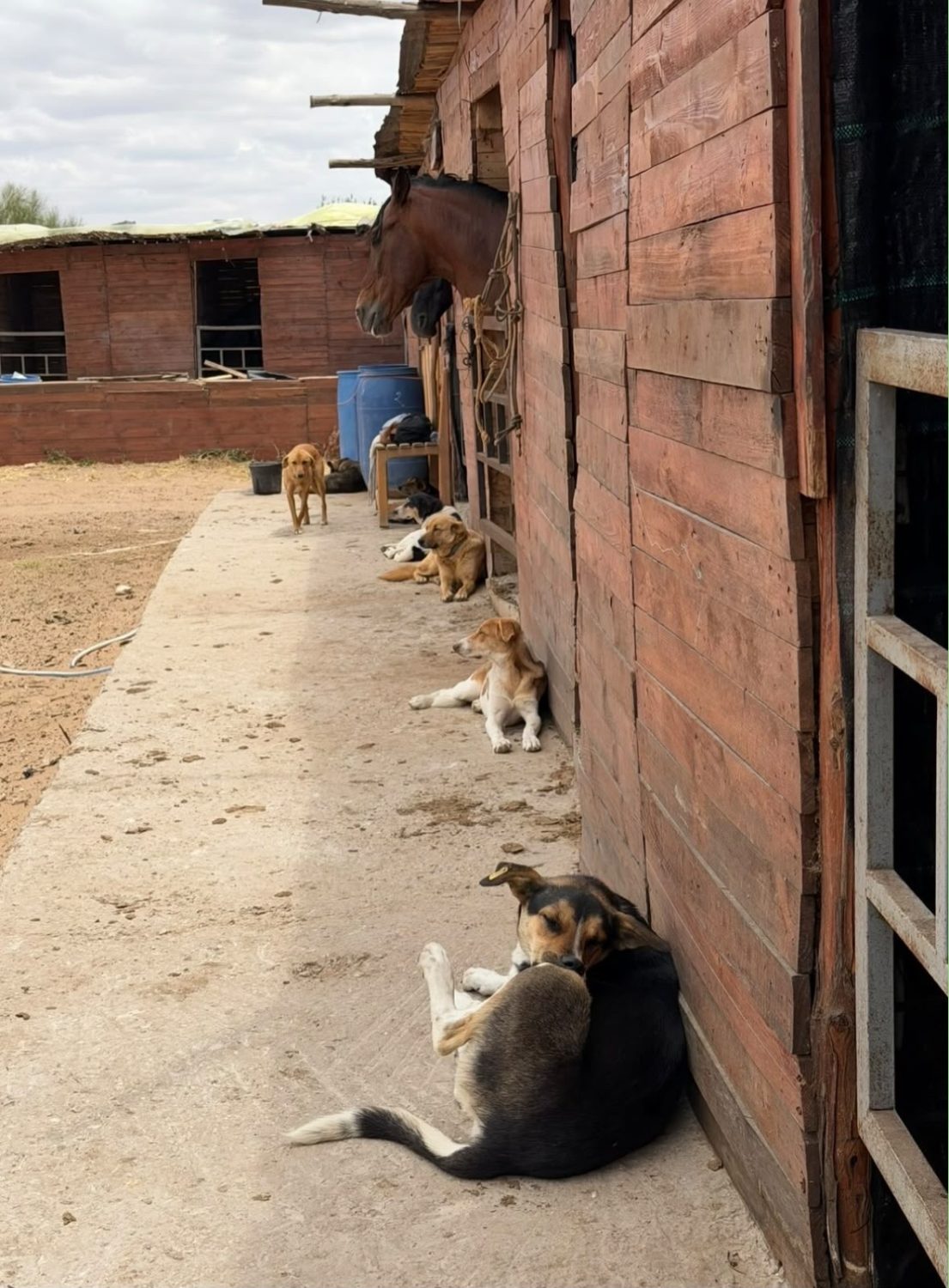
Why pour so much energy into rescuing dogs in Essaouira, this city of wind and light perched on Morocco's Atlantic coast? Because behind every dog you pass in a back street or on the beach, there is a story that can still have a happy ending. Wild Sun Rescue was born from one simple conviction: a street dog is not a problem to be made to disappear, but a life we can offer a second chance. In this article, we share the reasons behind that choice, the hands-on work we do, and how rescuing dogs in Morocco can change the course of a life.
Why Essaouira? The birth of Wild Sun Rescue
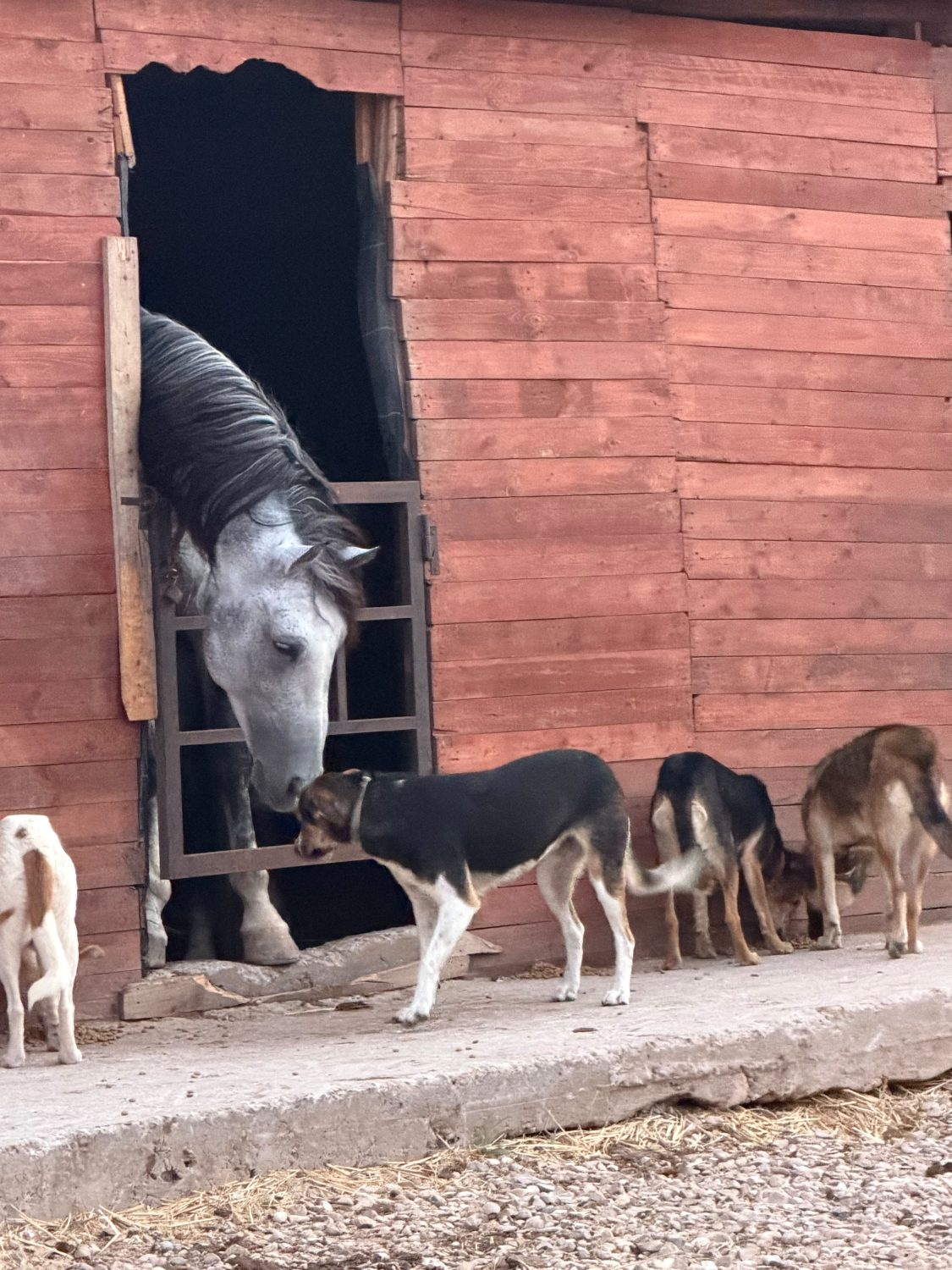
Essaouira draws travellers with its ramparts, its harbour and its peaceful atmosphere. But, as in many cities, dogs live here on the streets, left to fend for themselves, sometimes injured or weakened. It was by meeting their eyes, day after day, that the urge to do something became impossible to ignore.
For us, rescuing dogs in Essaouira is not an abstract project: it means responding to a situation we see and touch first-hand, in a place we know well. Acting locally means being present, being responsive, and following each dog closely.
We chose the name Wild Sun Rescue as a promise: a ray of sun for lives that have spent too long in the shadows. Our commitment is hands-on, our horizon is hope, and our method comes down to three words.
Rescue, heal, guide: our mission
Everything we do rests on three inseparable pillars:
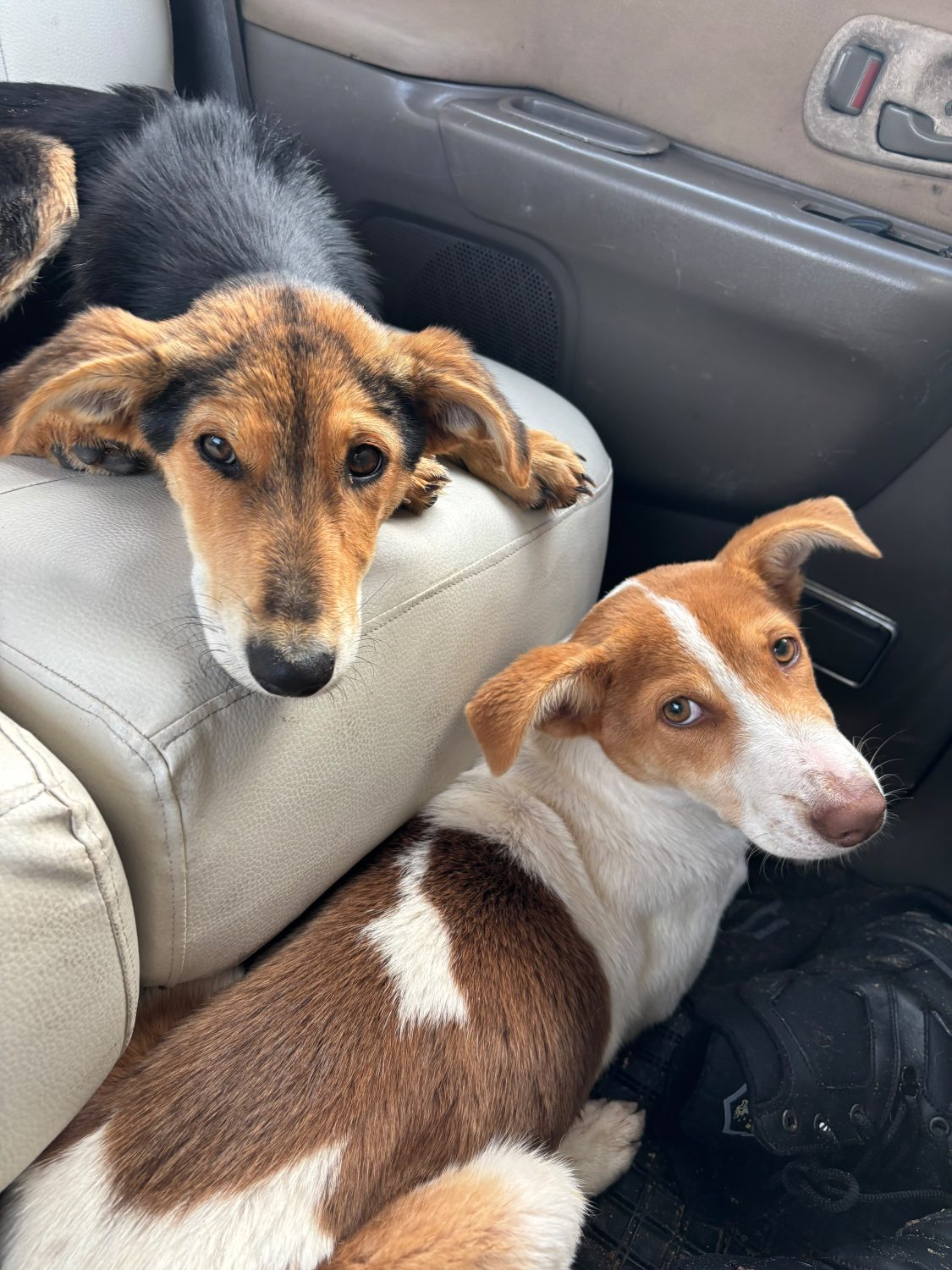
- Rescue: we take in dogs from the streets — strays, or animals that have been abandoned or injured — and bring them to safety, out of harm's way.
- Heal: every dog is examined, treated, vaccinated, dewormed and neutered. We also take the time to reassure each one and help it grow comfortable around people again.
- Guide: we prepare each dog for a new life and stay by its side all the way to adoption — often in France and elsewhere in Europe, sometimes locally.
This journey takes time, patience and a great deal of care. A dog who arrives fearful can become, just a few months later, a balanced and confident companion. It is this transformation that keeps us going, and it is what we want to share with you.
Understanding street dogs in Morocco
To talk about dog rescue in Morocco, you first need to understand the context, without resorting to clichés. The country has shifted its approach: in 2017, King Mohammed VI called for the old methods — such as culling and poisoning — to be abandoned in favour of a more humane one.
Since then, Morocco has been running a national programme known as TNVR, which stands for "Trap, Neuter, Vaccinate, Release". A framework agreement signed in 2019 brought together several official bodies: the Ministry of the Interior, the Ministry of Health, the ONSSA (the national food safety office) and the national veterinary association. In practice, the dogs that are caught are neutered, vaccinated against rabies, dewormed, identified with an ear tag, and then released.
This programme faces real challenges: its high cost and the limited number of vets trained to carry out sterilisations. The authorities and many Moroccans are already taking action. Our role, on our own scale, is to complement these efforts — one dog at a time.
From the street to your home: a carefully managed journey
Adopting a rescued dog from Morocco is a wonderful adventure, but it calls for real diligence. That is why going through a reputable association is essential: we handle the administrative and health formalities for you.
To travel to France, a dog must, among other things:
- be identified with a microchip;
- be vaccinated against rabies, with a required waiting period before the journey;
- have a rabies antibody titration test, which is mandatory because Morocco is classified as a "non-listed third country", carried out in a laboratory approved by the European Union;
- hold a passport or a health certificate issued shortly before departure.
Realistically, you should allow at least four to five months to gather all the documents. In France, a "certificate of commitment and knowledge" is also required before taking in an animal, along with a set reflection period. These rules change over time, so we encourage you to check the ones in force when you begin your own project.
A cause we carry together
We are not alone, and that is good news. In Essaouira and beyond, several associations work wholeheartedly for animals: La Kasba de Loulou, Comme Chiens et Chats, Help the Street Animals of Morocco (HSAM), as well as the SPA du Maroc and Morocco Animal Aid at the national level.
Each one plays its part. Together, we form an ecosystem of complementary organisations that, one dog at a time, moves the cause forward. Rescue is not a competition: it is a chain of solidarity.
You can join that chain too. Whether you adopt, become a foster home, sponsor a dog in our care or make a donation, every gesture counts, in whatever way works for you. And if you would simply rather follow along, you can find the dogs in our care on Instagram (@wildsunrescuedogs) or write to us at contact@wildsunrescuedogs.com. A glance, a share, a dog saved: it all begins with a first step.
Quick quiz
Did it all sink in? Test your knowledge with a few questions.
Quick quiz
Answer to test your knowledge — the results show on click.
1. What are the three pillars of Wild Sun Rescue's mission?
The mission rests on three inseparable pillars: rescuing the dogs, healing them, and then guiding them toward adoption.
2. What does the TNVR programme run in Morocco stand for?
TNVR means trapping, neutering, vaccinating and then releasing the dogs: a more humane approach than the old methods.
3. Why is a rabies antibody titration test mandatory for a dog coming from Morocco?
Because Morocco is classified as a non-listed third country, this test, carried out in an EU-approved laboratory, is required before the journey.
4. How much time should you realistically allow to gather all the paperwork for a dog adopted in Morocco?
Between microchipping, vaccination, the titration test and travel documents, you should allow at least four to five months.
5. How does Wild Sun Rescue see itself in relation to other Moroccan associations?
Rescue is a chain of solidarity: the associations complement one another rather than compete.