20 July 2026
Adopting a Dog from Morocco to France: The Complete Step-by-Step Guide
Bringing a rescue dog from Morocco to France: our full guide to the paperwork, the rabies titre test, 4–5 month timelines and choosing a serious rescue.
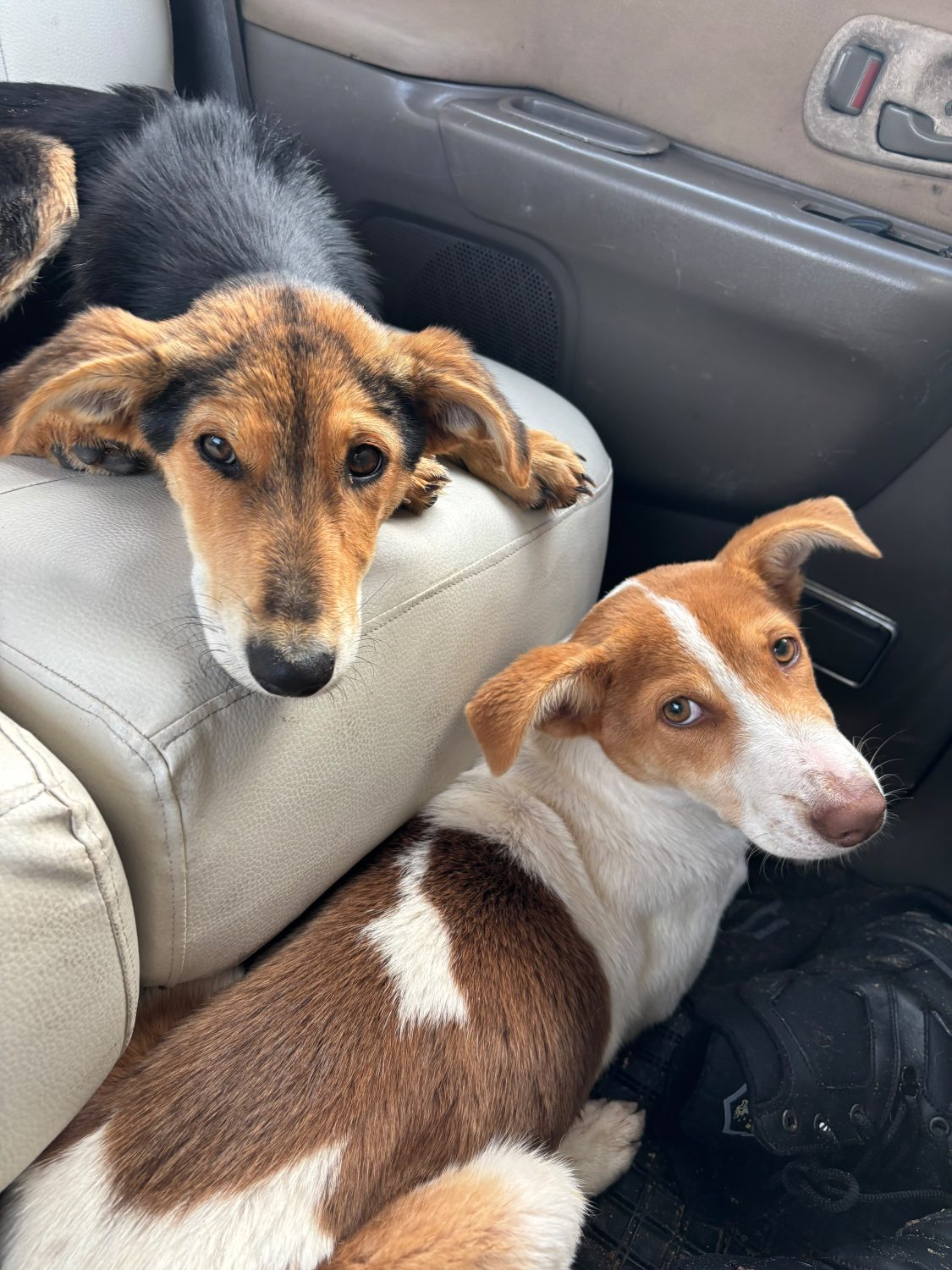
Adopting a dog from Morocco and bringing it home to France is a project that speaks to the heart, but one that also calls for a little method. Between microchipping, the rabies vaccine and the all-important blood titre test, the journey can feel intimidating. This guide walks you through, step by step, the process of adopting a dog from Morocco and bringing it to France, the realistic timelines to plan for and the central role of a serious rescue. The good news: once you understand the path, everything becomes much clearer.
Why so many dogs are waiting for a family in Morocco
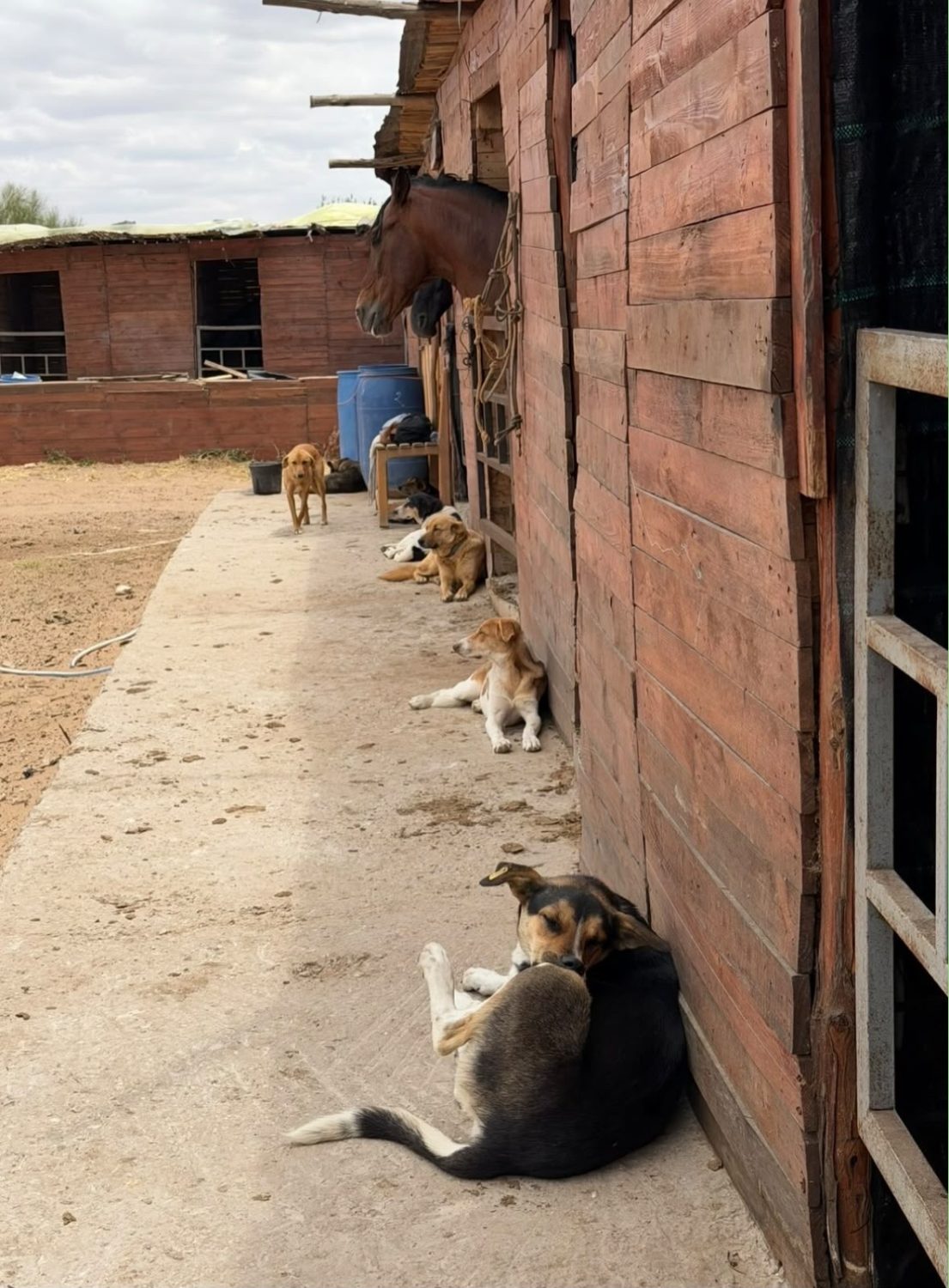
Morocco has made brave choices for its animals. Since 2017, at the request of King Mohammed VI, older methods such as culling and poisoning have been abandoned in favour of a more humane approach. A framework agreement signed in 2019 brings together the Ministry of the Interior, the Ministry of Health, the ONSSA and the Order of Veterinarians around a national programme known as TNVR: “Trap, Neuter, Vaccinate, Release.” Street dogs are neutered, vaccinated against rabies, dewormed, then identified and released.
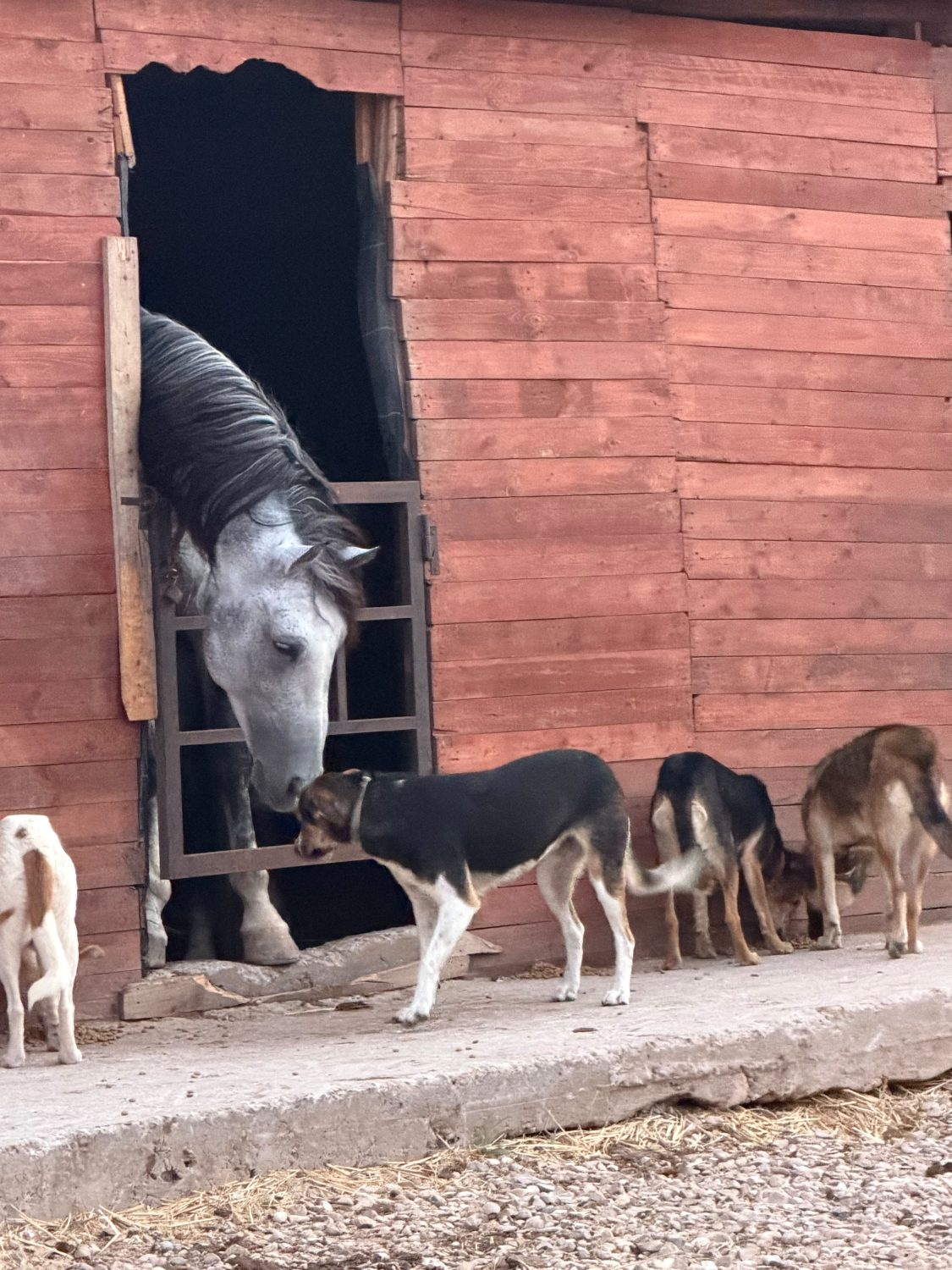
This work is moving forward, but challenges remain: the programme is expensive to run, and the number of vets trained in sterilisation is still limited. This is where associations like ours step in, taking in the most vulnerable dogs to care for them, help them socialise and find them a family.
The main stages of adopting a dog from abroad
Adopting a dog from Morocco follows a fairly well-marked path:
- Choosing the dog, together with the rescue and according to your lifestyle
- Meeting from a distance and getting to know the foster family on the ground
- The veterinary care and health formalities carried out in Morocco before departure
- The journey to France, arranged by the rescue
- Arrival and settling in at your home, with our support
At every stage, we stay by your side: adopting a dog from abroad is never an adventure we leave you to handle alone.
The health formalities to know about
These are what set the pace of the whole project. For a dog leaving Morocco for France, you need to bring together:
- Identification by microchip, which comes before everything else
- A rabies vaccination, possible from twelve weeks of age, followed by a wait of at least twenty-one days before any travel
- A rabies antibody titre test: because Morocco is classified as a “third country with an unfavourable situation” for rabies, this blood test is mandatory. It is carried out in a laboratory approved by the European Union, at least thirty days after the vaccination and at least three months before departure
- A passport (or a veterinary health certificate issued shortly before travel)
This titre test largely explains how long the whole procedure takes. As the rules change regularly, we always encourage you to check the requirements in force at the time of your own project.
Timelines and budget: what to expect
You should plan for a realistic timeline of four to five months minimum to gather all the paperwork, mainly because of the titre test and its fixed, non-negotiable time windows. It is far better to approach this project with patience than in a hurry.
On the budget side, costs vary depending on the care already given, transport and the rescue involved. We prefer to stay cautious and talk it through with you case by case, rather than quote a figure that wouldn’t match your situation. Finally, in France, a certificate of commitment and knowledge must be signed before welcoming an animal, with a seven-day cooling-off period: a good opportunity to confirm, with a clear mind, that you are truly ready.
Why go through a serious rescue
This is the most important point in this guide. A dog whose paperwork isn’t perfectly in order risks quarantine or being turned away at the border. A serious rescue knows these procedures for adopting a dog from Morocco inside out and secures every single step.
We are far from the only ones at work: in Morocco, groups such as La Kasba de Loulou, Comme Chiens et Chats, Help the Street Animals of Morocco, the SPA du Maroc and Morocco Animal Aid are all moving the cause forward, each in their own way. Together, we form a complementary ecosystem.
At Wild Sun Rescue, our mission comes down to three words: rescue, heal, support. If the adventure appeals to you, you can adopt, become a foster family, sponsor a dog or simply follow us on Instagram (@wildsunrescuedogs). Every gesture, however small, changes a life.
Quick quiz
Did it all sink in? Test your knowledge with a few questions.
Quick quiz
Answer to test your knowledge — the results show on click.
1. Why is a rabies antibody titre test mandatory for a dog coming from Morocco?
Because Morocco is classified as a third country with an unfavourable situation for rabies, this blood test really is mandatory before departure.
2. What is a realistic timeline for gathering all the paperwork?
The titre test and its fixed, non-negotiable time windows mean a wait of at least four to five months.
3. From what age can the rabies vaccine be given?
The rabies vaccination can be given from twelve weeks of age, followed by a waiting period before travel.
4. Why is it strongly recommended to go through a serious rescue?
A rescue knows the procedures inside out and prevents a dog with incorrect paperwork from being placed in quarantine or turned away.
5. What does the TNVR programme carried out in Morocco refer to?
TNVR involves trapping street dogs to neuter, vaccinate and deworm them, then release them.