12 July 2026
Transporting a Dog from Morocco to France: The Great Journey Home to Their Family
How does transporting a dog from Morocco to France actually work? Passport, vaccines, rabies titer, flights and escorts, we walk you through every single step.
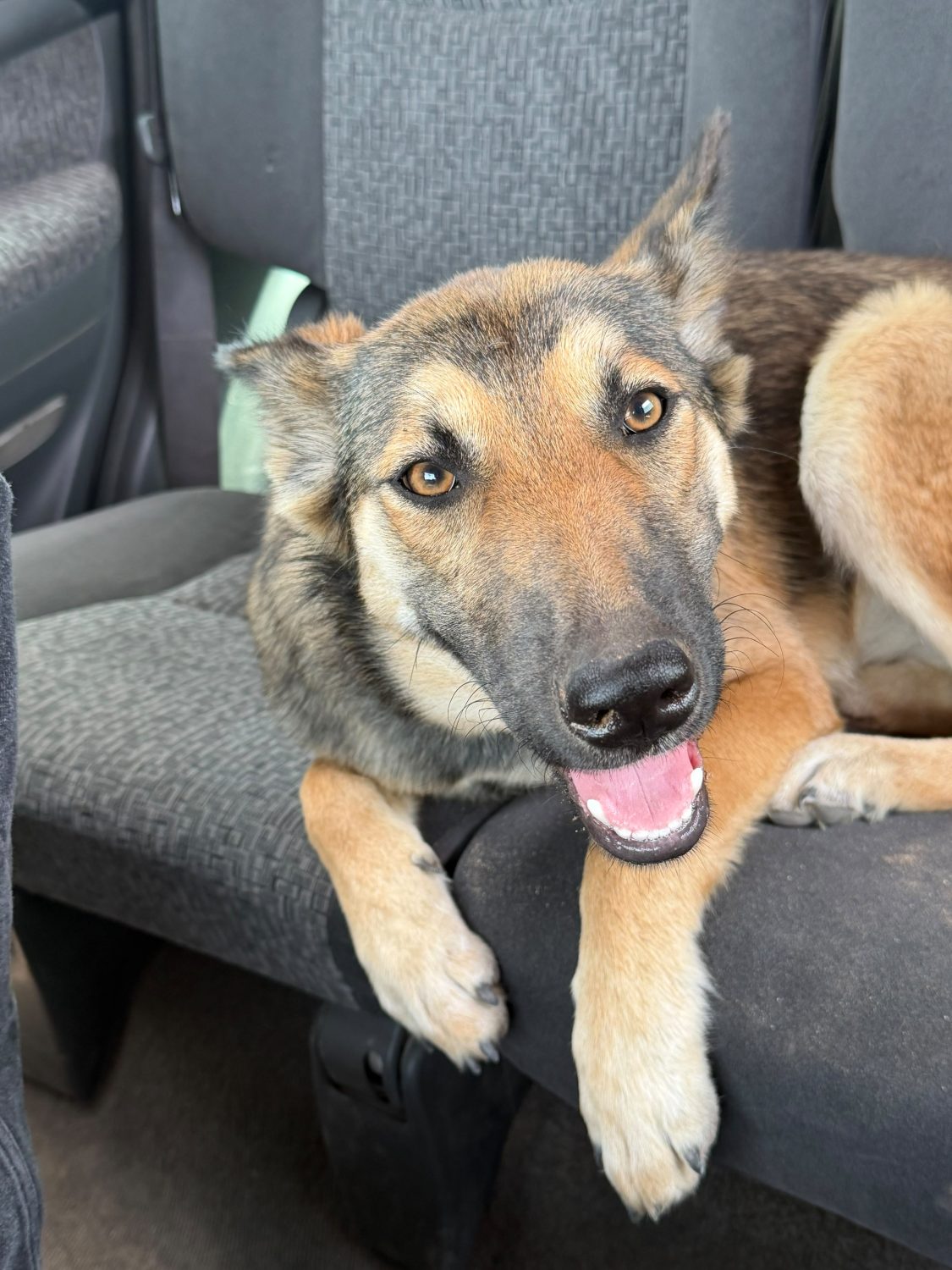
You have just adopted, or you are thinking about adopting, a dog rescued from the streets of Essaouira. One question comes up again and again, and it is a perfectly fair one: how does the transport of a dog from Morocco to France actually work? Is the trip hard on the animal? At Wild Sun Rescue, we accompany every journey of an adopted dog from start to finish. Here, step by step, is what really lies behind that big day.
Before departure: getting the health paperwork in order
A smooth journey is prepared months in advance. Nothing is left to chance, because European regulations are strict, and that is a good thing, both for your future companion's health and for your own.
Here are the essential health steps:
- Identification with a microchip: this is the very first step, the one that permanently links the dog to their passport.
- Rabies vaccination: possible from 12 weeks of age, with a minimum wait of 21 days before any travel.
- Rabies antibody titer test: because Morocco is classified as a “non-favourable third country” when it comes to rabies, this blood test is mandatory. It is carried out in a laboratory approved by the European Union, at least 30 days after the vaccination and at least 3 months before departure.
This timeline explains why you should realistically allow a minimum of 4 to 5 months between the moment a dog is ready to be adopted and the moment they can actually board a plane. Patience is a genuine part of rescue.
The dog's passport and the travel documents
The dog's passport is the document that travels with them. It brings together their identity, their vaccination history and the proof that everything is in order. Where there is no passport, a veterinary health certificate, drawn up shortly before departure, can accompany them instead.
These steps are technical, and this is exactly where going through a serious association makes all the difference. A dog whose paperwork is not perfectly in order risks quarantine or being turned away at the border. We take care of every one of these formalities so that you never have to worry about them, it is our job as much as our responsibility.
Since 2022, France also requires anyone taking in an animal to sign a “certificate of commitment and knowledge,” accompanied by a seven-day cooling-off period. The rules change regularly: we encourage you to check the regulations in force at the exact time you are planning your project.
The day of departure: flying in the cabin, in the hold, or with an escort
This is the moment everyone is waiting for. Depending on the size of the dog and the options available, there are several ways to travel.
- In the cabin: small dogs can sometimes travel with a passenger, in an approved carrier tucked under the seat. When it is possible, this is the most reassuring option.
- In the hold: for larger dogs, the aircraft hold is a pressurised and temperature-controlled space specifically designed for animals. The dog travels in a sturdy crate sized to fit them, with water within reach.
- Travelling with an escort: a volunteer or a courier accompanies the dog throughout the trip, watches over them, and hands them to their family on arrival. Travelling with an escort offers a reassuring human presence from one end of the journey to the other.
Many families worry about the stress of the flight, and that is only natural. It is normal for a dog to feel a little disoriented. But an animal that is prepared, in good health, and settled into a suitable crate handles the trip far better than you might imagine. A few hours in the air count for little against the life waiting ahead.
Arrival: the start of a new life
At the airport, the reunion is often full of emotion. After the journey, what the dog needs most is calm: a quiet ride home, a corner all their own, water, and above all, time. The first few days are for settling in and unwinding. Some dogs start exploring right away, others prefer to watch first. Both reactions are perfectly normal.
This is not the end of the road, but the very beginning of your shared story.
Every dog we rescue in Essaouira deserves this journey towards a peaceful life. You can help make it happen in your own way: by adopting, by becoming a foster family, by sponsoring one of our residents, or by supporting our work. Follow us on Instagram @wildsunrescuedogs or write to us at contact@wildsunrescuedogs.com, and together, let us turn these departures into true new beginnings.
Quick quiz
Did it all sink in? Test your knowledge with a few questions.
Quick quiz
Answer to test your knowledge — the results show on click.
1. Why is a rabies antibody titer test mandatory for a dog leaving Morocco?
Because Morocco is classified as a non-favourable country, this blood test in an EU-approved laboratory really is mandatory.
2. From what age can a dog be vaccinated against rabies?
The rabies vaccination is possible from 12 weeks of age, followed by a minimum wait of 21 days before travel.
3. How much time should you realistically allow to gather all the paperwork for a dog travelling from Morocco to France?
Between identification, vaccination, the titer test and the regulatory waiting periods, you should realistically allow a minimum of 4 to 5 months.
4. What does travelling with an escort involve?
Travelling with an escort means a person who accompanies the dog during the journey and hands them to their family on arrival.
5. Why is it better to go through a serious association to bring a dog back from Morocco?
Without perfectly complete paperwork, a dog risks quarantine or being turned away at the border: the association takes care of getting all of this right.