16 July 2026
Spaying and Neutering: The Key to Ending Stray Dogs in Morocco
Spaying and neutering is the only lasting answer to Morocco's stray dog crisis. See how a campaign works, and how you can help us make a real difference.
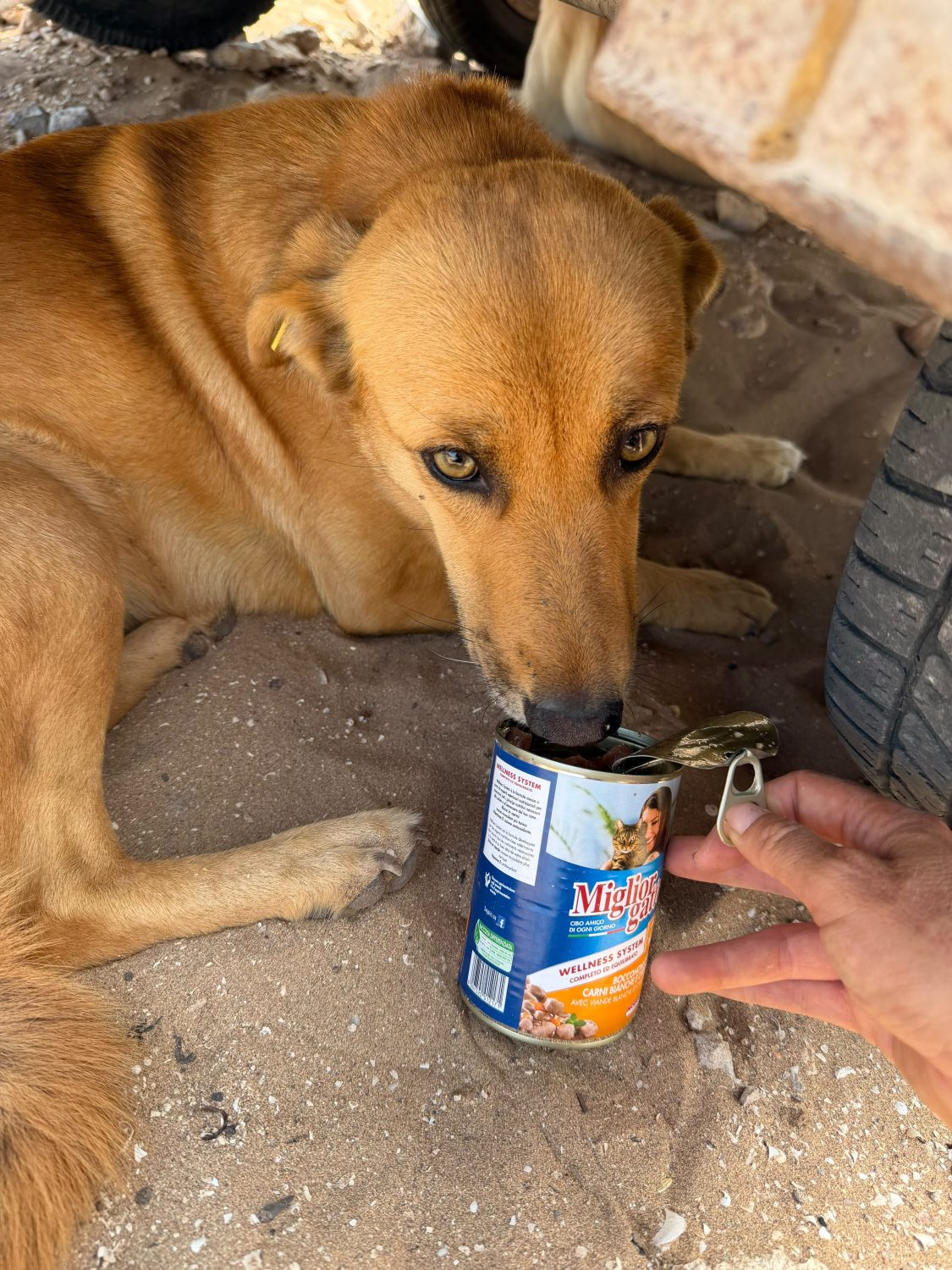
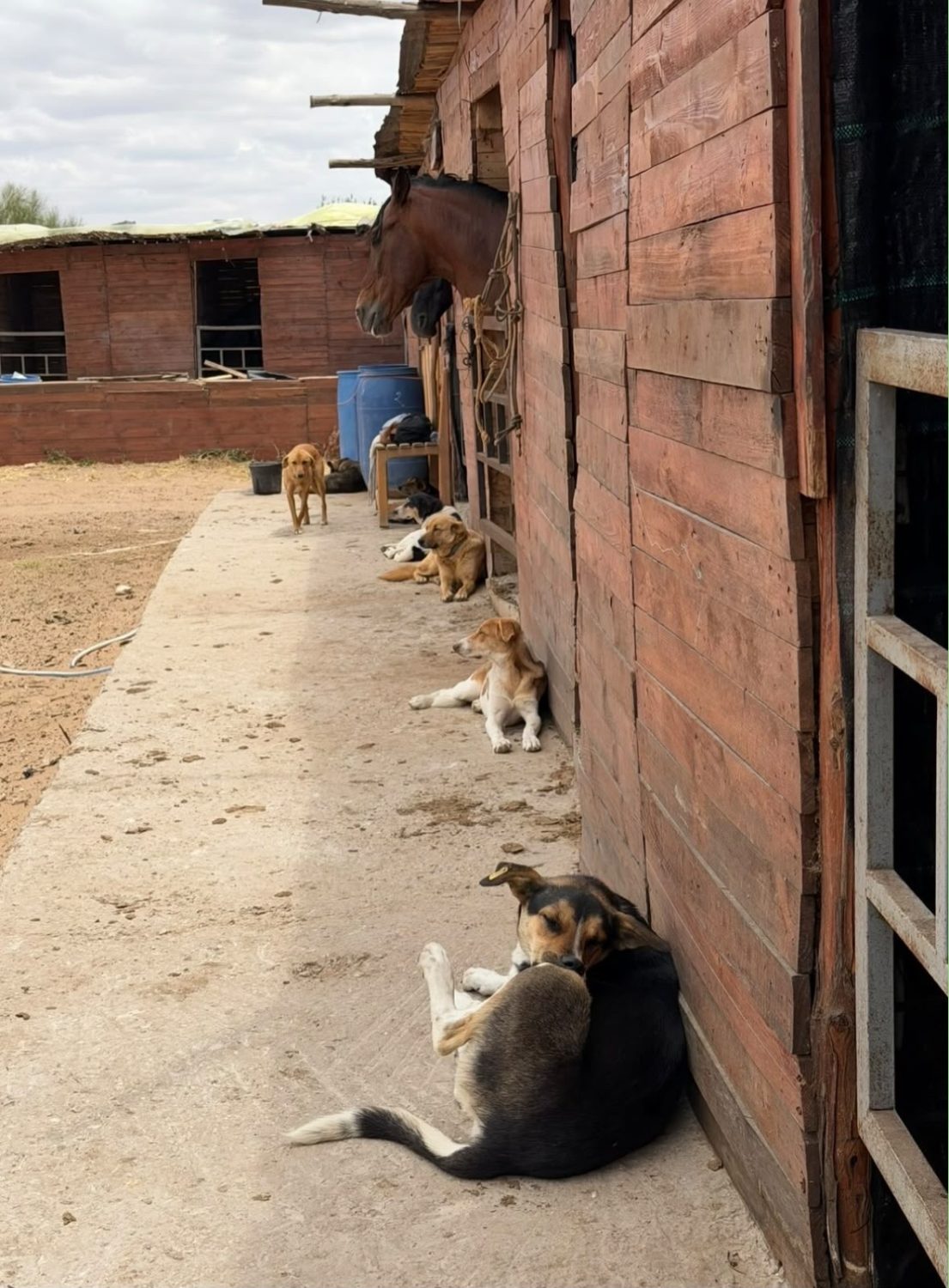
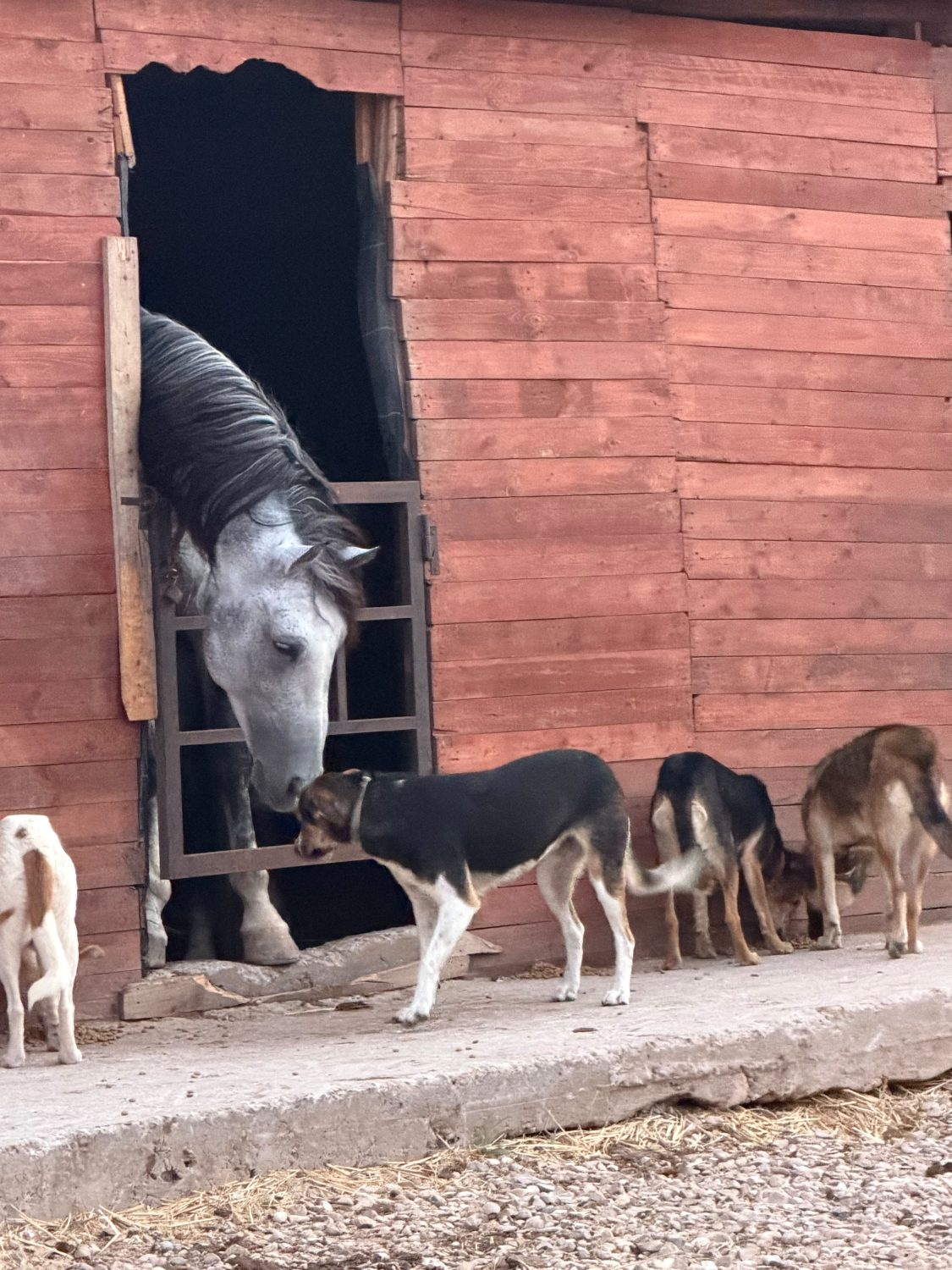
In Essaouira, as in many Moroccan towns, dogs are born, survive and breed on the streets. Faced with this reality, one question keeps coming back: how can we bring down the number of stray dogs for good, without ever resorting to cruelty? The answer comes down to a single word, patient and methodical: spaying and neutering. At Wild Sun Rescue, we've made it one of the cornerstones of our work, because it's the only approach that is both effective and respectful of the animal.
Why spaying and neutering is the key to ending stray dogs
People sometimes imagine that simply taking dogs off the streets would solve the problem. In truth, no shelter anywhere in the world can keep up with the rate at which puppies are born. A single unsterilised pair can be the origin of dozens of puppies within just a few years. Without action on breeding, dog overpopulation always rebuilds itself faster than we can ever hope to rescue.
Spaying and neutering turns this logic on its head, because it works at the source:
- fewer unwanted litters, and so fewer puppies left to fend for themselves;
- less suffering, with less hunger, fewer diseases and fewer road accidents;
- better health for the dogs themselves, with a reduced risk of certain infections and tumours;
- calmer relationships with residents, because a stable, vaccinated dog population is reassuring.
Sterilising a dog doesn't take anything away from it. It prevents, before they even begin, countless lives condemned to the street.
Morocco has chosen a more humane approach
Contrary to popular belief, Morocco has not stood still. The country now runs a national programme built on the TNVR method: "Trap, Neuter, Vaccinate, Release". Dogs are trapped, sterilised, vaccinated against rabies and dewormed, then marked with an ear tag before being returned to their own territory.
This shift has a history. In 2017, King Mohammed VI called for the old methods, such as culling and poisoning, to be abandoned in favour of an approach that respects the animal. In 2019, a framework agreement brought together the Ministry of the Interior, the Ministry of Health, ONSSA and the Order of Veterinarians around this strategy.
The road ahead is still demanding. Running a sterilisation campaign is expensive, and the number of vets trained for these procedures remains limited. This is exactly where grassroots associations play a decisive role, working hand in hand with public efforts.
What a spay and neuter campaign actually looks like
On the ground, a campaign almost always follows the same steps, all designed with the animal's welfare in mind:
- identifying the dogs in a neighbourhood and spotting those not yet sterilised;
- trapping them gently, without needless stress or rough handling;
- operating in proper veterinary conditions, then vaccinating and deworming;
- monitoring recovery after the procedure, for as long as it takes;
- releasing the dog where it lives, or steering it towards adoption if it can be socialised.
Every sterilised dog is one link in the chain that will never reproduce again. Repeated across a neighbourhood, and then a whole town, the effect becomes visible: litters grow rarer, dogs age in better health, and life alongside residents becomes easier.
A fight we win together
Wild Sun Rescue doesn't work alone, and that's good news. In Essaouira and across Morocco, several dedicated associations are working in the same spirit: La Kasba de Loulou, Help the Street Animals of Morocco, the Comme Chiens et Chats network, along with SPA du Maroc and Morocco Animal Aid on a national scale.
We aren't competitors, but partners in one and the same cause. Every female dog spayed, every dog vaccinated, every successful adoption pushes the stray population back a little further. It's patient work, carried out by vets, volunteers and residents who, together, are changing things for the better.
You can be part of this story too. Adopting a dog, sponsoring one, becoming a foster home, supporting a campaign with a donation, or simply following our daily life on Instagram (@wildsunrescuedogs): every gesture counts. Together, let's make spaying and neutering the true key to ending stray dogs for good.
Quick quiz
Did it all sink in? Test your knowledge with a few questions.
Quick quiz
Answer to test your knowledge — the results show on click.
1. What does the TNVR method used for dogs in Morocco stand for?
The TNVR method means trapping, neutering and vaccinating the dog, then releasing it back into its own territory.
2. Why is spaying and neutering more effective than sheltering alone?
By reducing the number of births, sterilisation stops overpopulation from rebuilding itself faster than we can rescue.
3. In 2017, what direction did King Mohammed VI call for?
In 2017, King Mohammed VI called for the old methods to be set aside in favour of an approach that respects the animal.
4. What is one benefit of sterilisation for the dog itself?
Beyond fewer litters, sterilisation improves health by lowering the risk of certain infections and tumours.
5. How does Wild Sun Rescue relate to other Moroccan associations?
Groups like La Kasba de Loulou and HSAM work in the same spirit: the cause moves forward thanks to how they complement one another.