26 June 2026
Animal Rescue in Essaouira: Who's Really Making a Difference?
Animal rescue in Essaouira: meet the associations protecting Morocco's street dogs — and discover exactly where Wild Sun Rescue fits into this shared effort.
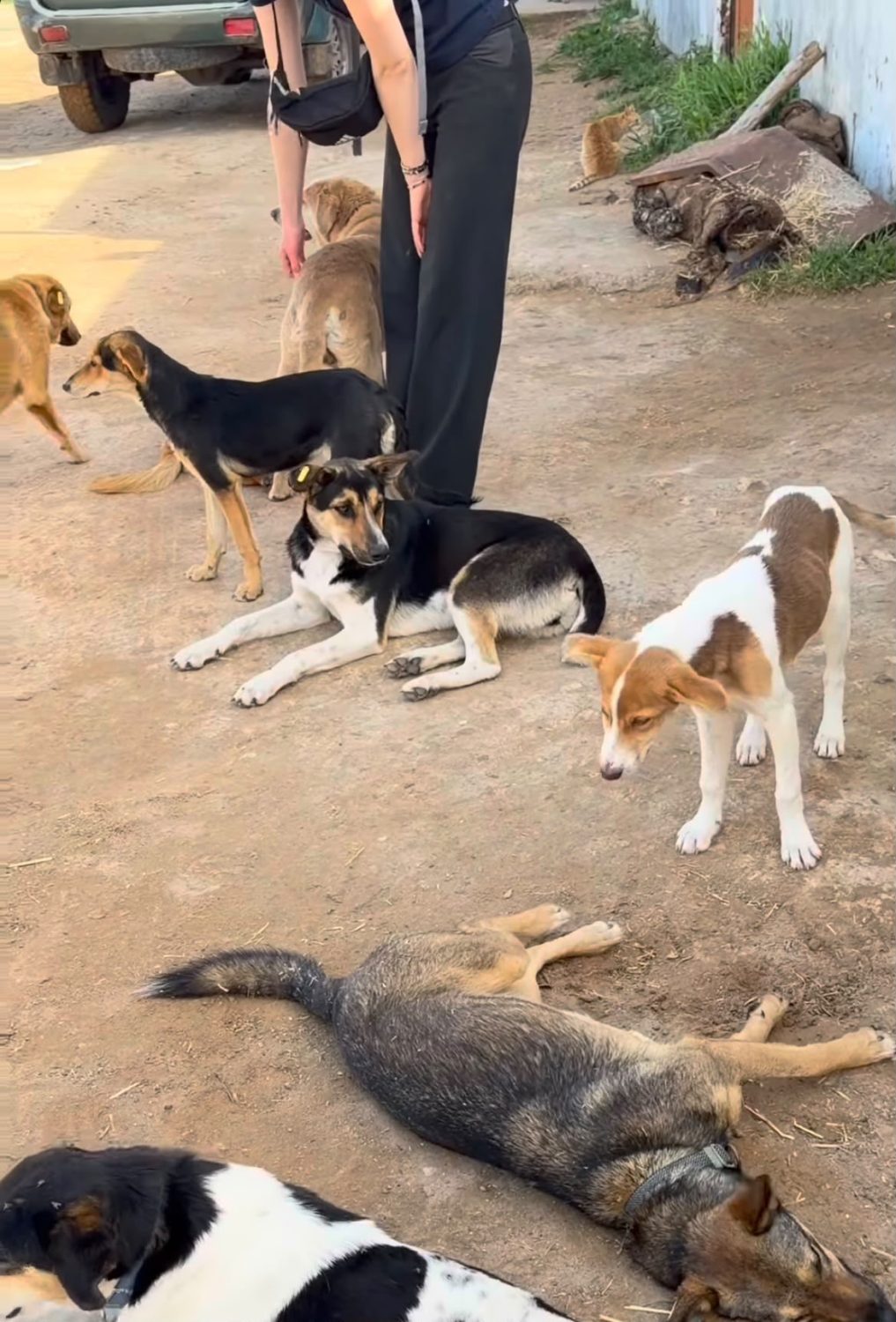
When people talk about animal rescue in Essaouira, they often picture a handful of lone volunteers facing an overwhelming challenge. The reality is far more hopeful: the City of the Trade Winds is home to a genuine network of people, each with their own approach and sensibility, all working together for the town's street dogs and cats. At Wild Sun Rescue, we believe it's far more useful to introduce you to this whole ecosystem than to keep quiet about it. Here's who is taking action, how, and where we fit in.
The associations keeping the cause alive in Essaouira and across Morocco
No single organisation can do it all alone. Around us are several animal welfare associations, in Essaouira and nationwide. Simply getting to know them is already a better way to help:
- La Kasba de Loulou (Essaouira): a shelter that takes in dogs and cats, with a strong focus on neutering.
- Comme Chiens et Chats: a network of volunteers and foster families active in Rabat, Casablanca and Essaouira.
- Help the Street Animals of Morocco (HSAM): also present in Essaouira, working right alongside the town's street animals.
- La SPA du Maroc and Morocco Animal Aid: two organisations championing the cause at a national level.
Each has its own strengths. Some rely on shelters, others on foster homes or public awareness. Together, these dog associations in Morocco form a precious web of support, where mutual aid counts for far more than competition.
A national framework that is genuinely changing
Morocco is sometimes reduced to a harsh stereotype. That's unfair. Since 2017, at the request of King Mohammed VI, the country has turned its back on older methods such as culling and poisoning, in favour of a more humane approach.
Morocco now runs a national programme known as TNVR: “Trap, Neuter, Vaccinate, Release.” A framework agreement signed in 2019 brings together the Ministry of the Interior, the Ministry of Health, the ONSSA and the veterinary board. In practice, dogs that are caught are neutered, vaccinated against rabies, dewormed, identified with an ear tag, and then released back onto their own territory.
The challenges are real: the programme is expensive, and the number of vets trained in neutering is still limited. But the direction is clear, and many Moroccans, along with the authorities, commit to it every single day.
Where Wild Sun Rescue fits in
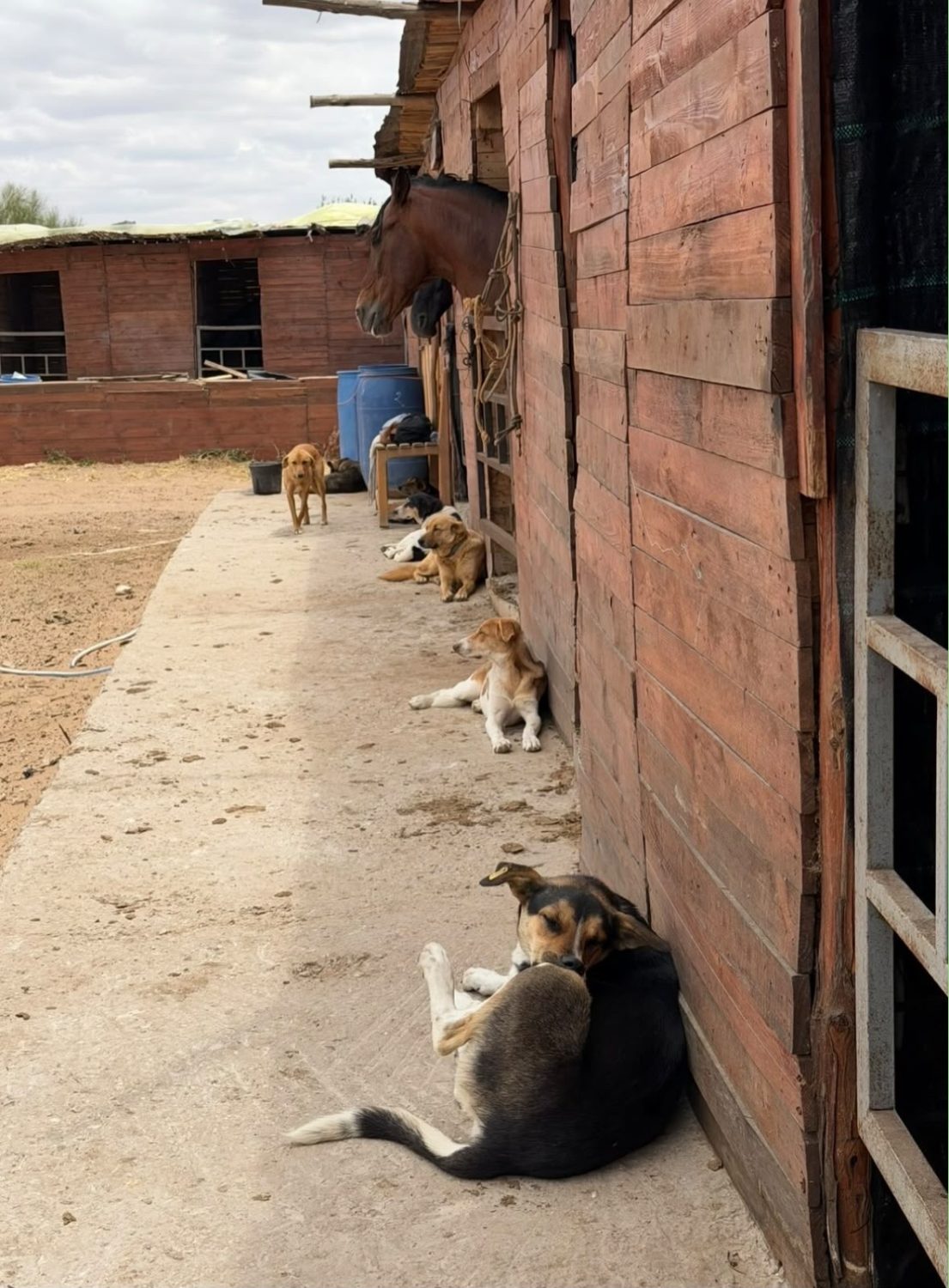
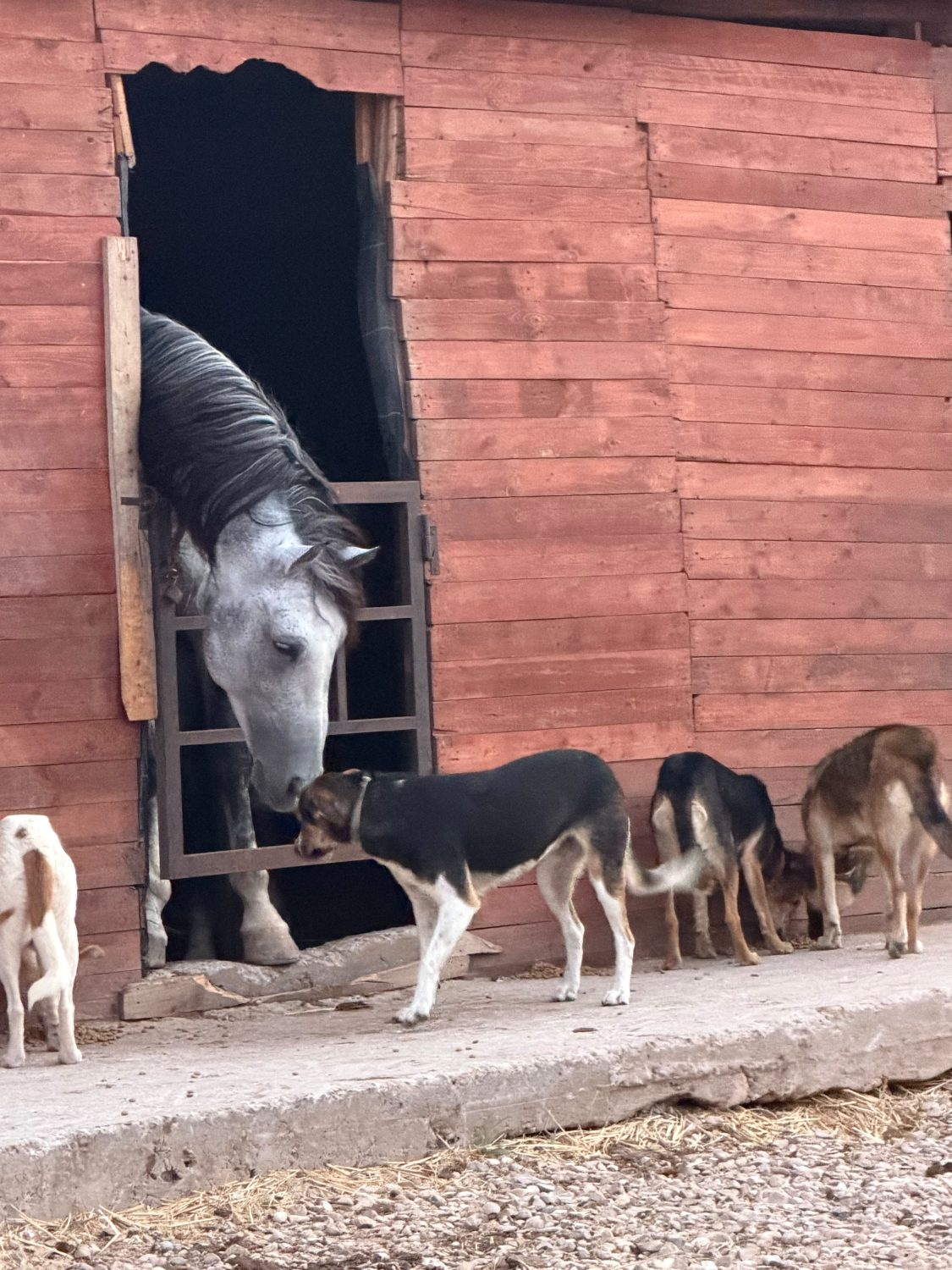
So where does our dog shelter in Morocco sit within this landscape? Our work centres on the street dogs of Essaouira: strays, and dogs that are injured or abandoned. We take them in, treat them, neuter them and help them socialise, before finding them a family — often in France and across Europe, sometimes locally.
Three words sum up our mission:
- Rescue: bring the most vulnerable dogs in off the streets.
- Heal: veterinary care, neutering, vaccination and time to recover.
- Support: socialisation, follow-up and adoption procedures seen through to the very end.
We're not trying to replace anyone else. Our role is to complement theirs, in a place where every helping hand makes a difference.
Adopting a dog from Morocco: a serious process
Bringing a dog from Morocco to France is not something you improvise — and that's a good thing. The rules protect the animals and the families alike. The dog must be identified with a microchip and vaccinated against rabies, from twelve weeks of age onwards. Because Morocco is classified as a “third country with an unfavourable rabies situation,” a blood test measuring rabies antibodies, carried out in a laboratory approved by the European Union, is mandatory, with strict deadlines to respect.
You'll also need a passport or a recent health certificate, and you should allow a realistic timeframe of at least four to five months to gather all the paperwork. In France, since 2022, a certificate of commitment and understanding must be signed before welcoming an animal, along with a mandatory cooling-off period. These rules change over time: always check the ones in force when you begin your own project.
This is precisely why going through a reputable association is so important. We handle these steps from start to finish, so that no dog ever ends up stranded at the border.
Playing your part, however small
Animal rescue in Essaouira is a collective adventure, and you can be part of it. Adopting, sponsoring a dog from afar, becoming a foster family, making a donation or simply following our stories on Instagram @wildsunrescuedogs — every gesture counts. Write to us at contact@wildsunrescuedogs.com — however modest, your support extends the work of everyone already making it happen.
Quick quiz
Did it all sink in? Test your knowledge with a few questions.
Quick quiz
Answer to test your knowledge — the results show on click.
1. What does the TNVR programme rolled out in Morocco stand for?
TNVR means trapping, neutering, vaccinating and then releasing dogs back onto their own territory.
2. Which of these organisations works at a national level in Morocco?
La SPA du Maroc and Morocco Animal Aid champion the cause right across the country.
3. Why is a rabies antibody blood test mandatory for a dog coming from Morocco?
This classification requires a blood test in an EU-approved laboratory before any travel.
4. What are the three pillars of Wild Sun Rescue's mission?
Wild Sun Rescue sums up its work in three words: Rescue, Heal and Support.
5. What realistic timeframe should you allow to gather the paperwork for a dog adopted in Morocco?
You should allow at least four to five months to bring together all the necessary documents.