30 June 2026
Fostering a Rescued Dog: The Vital Link in Every Rescue
Fostering a rescued dog means giving a temporary home between the street and adoption. Discover this vital rescue role and how you can get started today.
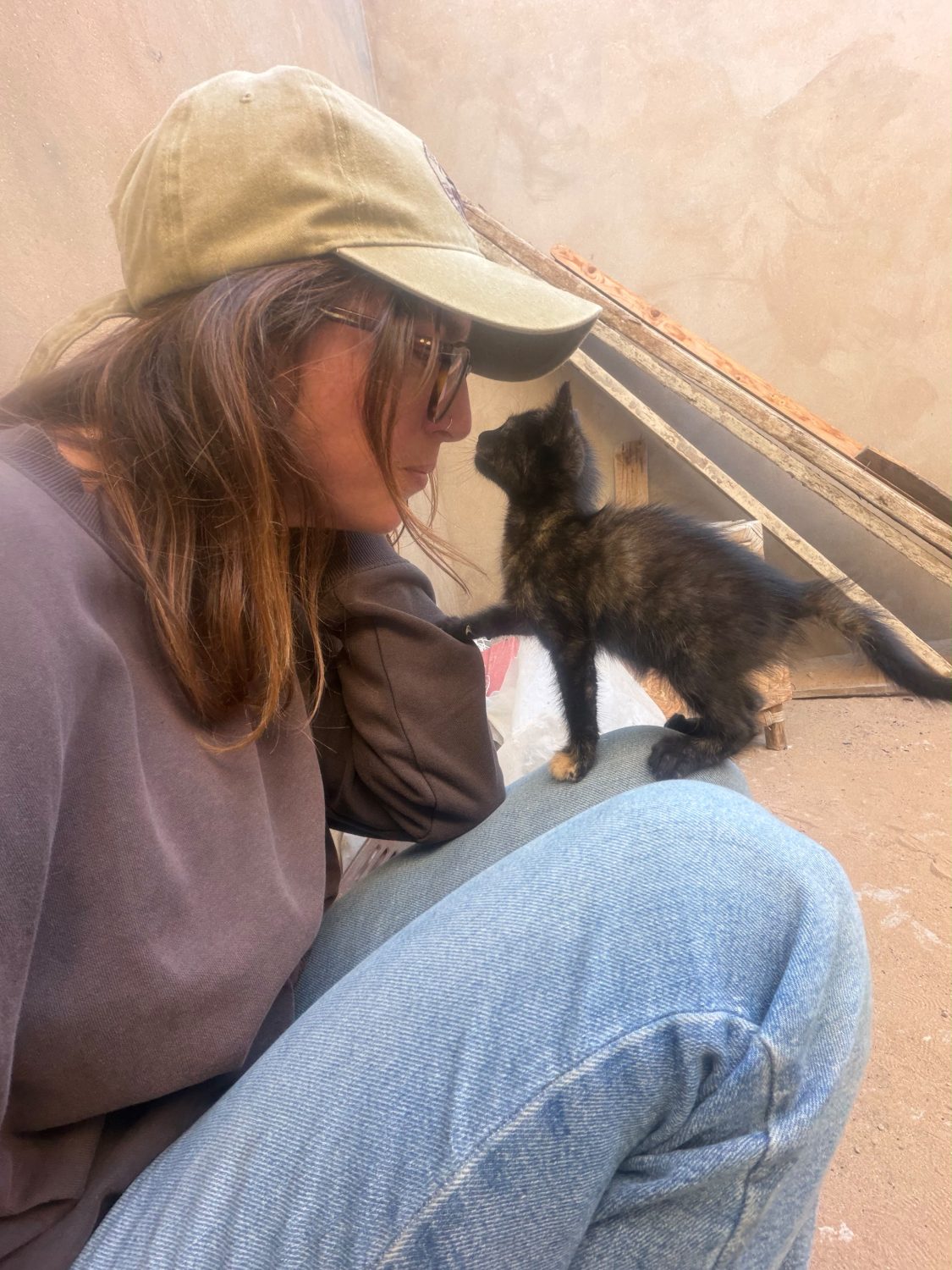
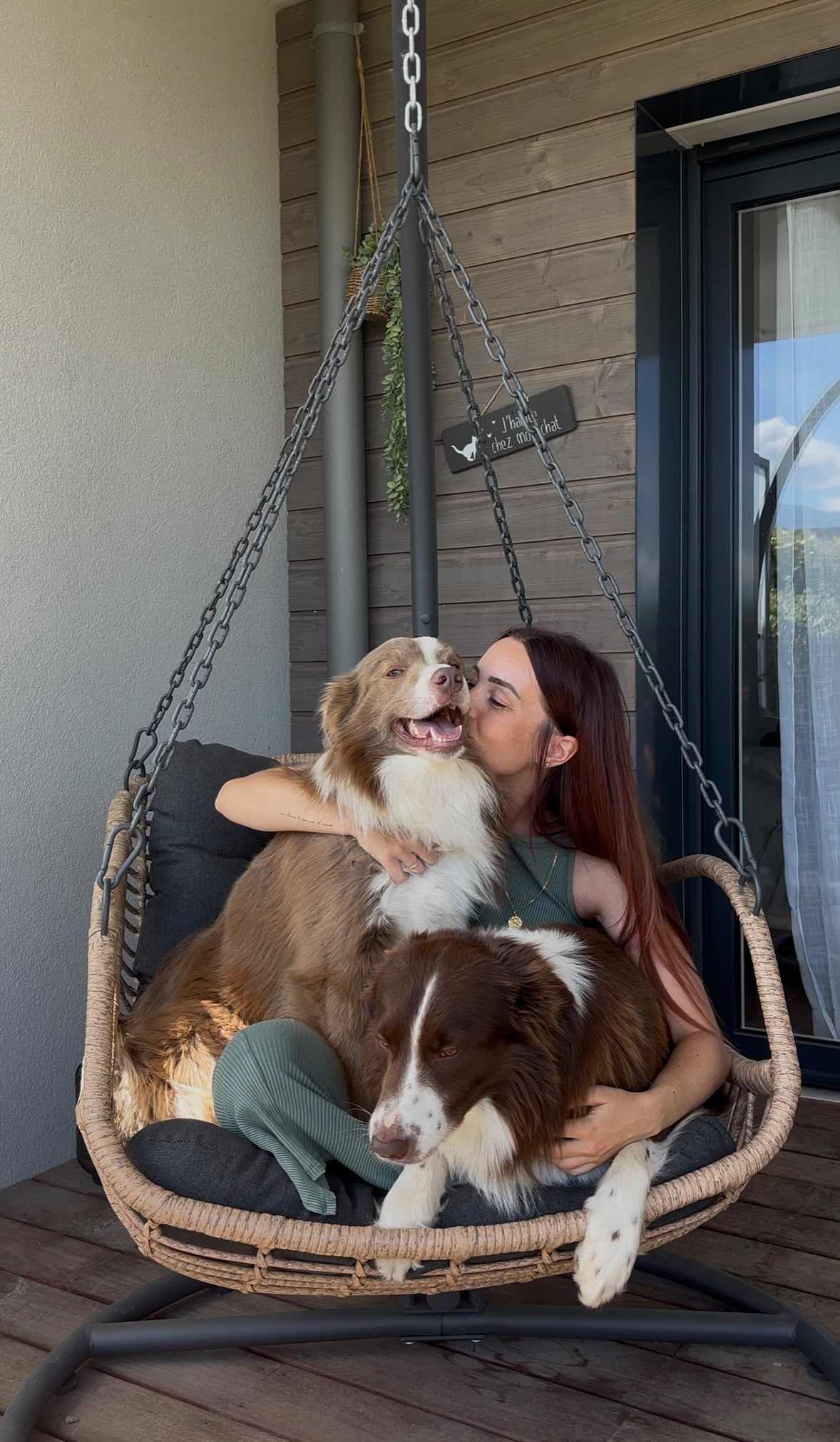
Behind every dog who finally finds a home, there is often a family working quietly in the background: the one who took the dog in, reassured them, and helped them become a calm, happy dog again. Fostering a rescued dog means offering that precious in-between time, the stretch between the street and adoption. At Wild Sun Rescue in Essaouira, this is one of the most beautiful and most useful roles you could imagine. And here is the good news: far more people can do it than you might think.
What is a foster home for a rescued dog?
A foster home temporarily takes in a dog who is waiting to be adopted. For a few weeks or a few months, it gives that dog a real life: a sofa instead of a kennel, regular meals, walks, and above all, companionship. This time in a home changes everything. A dog who has known the street, fear, or illness needs to relearn trust, and that comes far more easily in a house than in a shelter.
Fostering is not adopting. You are not the dog's permanent owner: you are a stepping stone. Your job is to observe, to reassure, and to prepare the dog for their future family.
What we ask of you
Becoming a foster home does not require you to be a dog expert. What it takes above all is time, patience, and a little space. In practical terms, we are looking for people ready to:
- provide a calm, secure environment suited to the dog in their care;
- give time to walks, daily care, and socialisation;
- stay in regular contact with us and follow our guidance;
- welcome meetings with potential adopters;
- return the dog on the day their permanent adoption goes through.
That last point is often the hardest one emotionally, but it is also what makes it possible to save one more dog.
What the association takes care of
Fostering should never become a financial burden. That is why we stay by your side at every step. As a rule, the association covers:
- veterinary costs: vaccines, spaying or neutering, deworming, treatments;
- microchip identification and the administrative paperwork;
- advice and the support of an experienced team whenever you have doubts.
Depending on the situation, food and equipment can also be provided or reimbursed. The idea is simple: you give your time and your attention, we handle the rest. Do not hesitate to ask us for the details, because every foster placement is arranged on a case-by-case basis.
How long does a foster placement last?
There is no single answer. Some dogs find their family within a few weeks; others need several months to recover, to become better socialised, or to gather the paperwork required for their departure.
That is because adopting a dog from Morocco to France or elsewhere in Europe involves serious steps: identification, rabies vaccination, then a mandatory blood titre test at an approved laboratory, and finally a valid pet passport. Realistically, you should count on at least four to five months. In France, an official commitment certificate must also be signed before you take an animal in, along with a cooling-off period; since the rules change regularly, it is best to check the ones currently in force. Going through an association that knows these steps inside out protects both the dog and their future family. And throughout that whole wait, the foster home gives the dog a safe, cosy place to be.
The "foster fail": the happiest kind of failure
In the rescue world, people speak fondly of the "foster fail." It is the moment when a foster family, having fallen head over heels for the dog in their care, decides to adopt for good. A "failure" that is clearly nothing of the sort: it is simply one more happy ending.
If it happens to you, there is no reason to feel guilty. And if you do return the dog to their permanent family, know that you have just freed up a place to save another. Both outcomes are victories.
A vital link in the rescue chain
Rescue, care, support: that is our mission. But without foster homes, the chain breaks. Every available place is one more dog leaving the street or the shelter. It is also a dog we come to know better, their temperament, their habits, how they are with children or other animals, so we can match them more accurately, for an adoption that lasts.
Wild Sun does not act alone. In Essaouira and across Morocco, other groups such as La Kasba de Loulou, Comme Chiens et Chats, and Help the Street Animals of Morocco are working hard too, each in their own way. Together, we form a network that genuinely makes a difference.
Do you have a sofa, a little time, and a lot of heart? Fostering a rescued dog might just be right for you. Write to us at contact@wildsunrescuedogs.com or follow the dogs in our care on Instagram @wildsunrescuedogs. And if fostering is not possible for you right now, adopting, sponsoring, or making a donation helps just as much: every gesture counts.
Quick quiz
Did it all sink in? Test your knowledge with a few questions.
Quick quiz
Answer to test your knowledge — the results show on click.
1. What is the main difference between fostering and adopting a dog?
Exactly: a foster home is a stepping stone that prepares the dog for their future family.
2. As a rule, who covers the veterinary costs of a fostered dog?
The association usually covers the care; the foster home mainly gives time and attention.
3. What do people fondly call a "foster fail"?
It is the happiest kind of "failure": the foster family falls in love and adopts for good.
4. Why does it often take several months before a dog from Morocco can join their family in France?
You should count on at least four to five months to gather all the required documents.
5. Why are foster homes a vital link in the rescue chain?
A foster place means one more dog saved and better prepared for a lasting adoption.