4 July 2026
Adopting a Street Dog: Myths and Realities
Are street dogs really wild, sick or impossible to handle? We debunk the myths and guide you to adopt a street dog with genuine confidence and peace of mind.
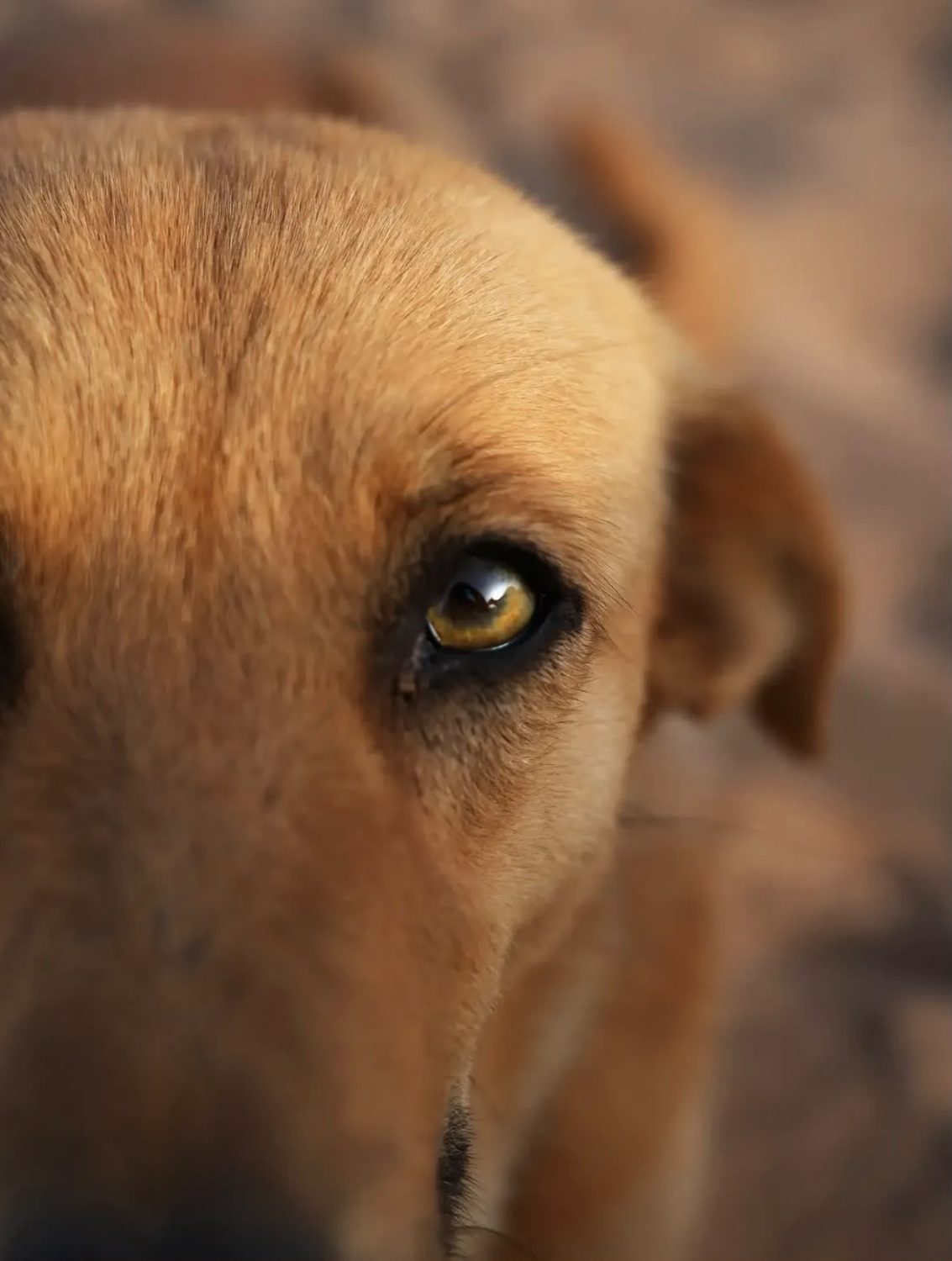
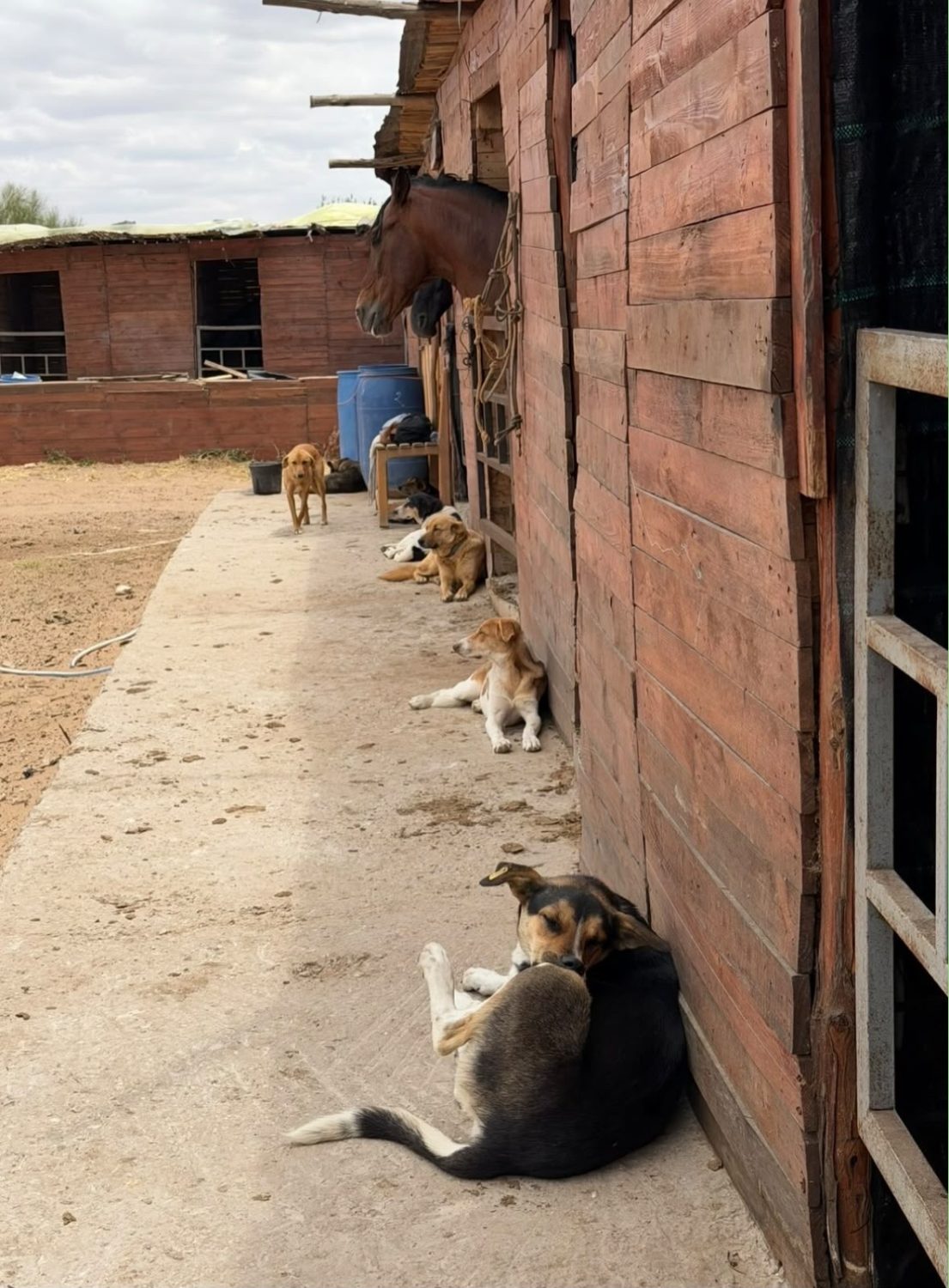
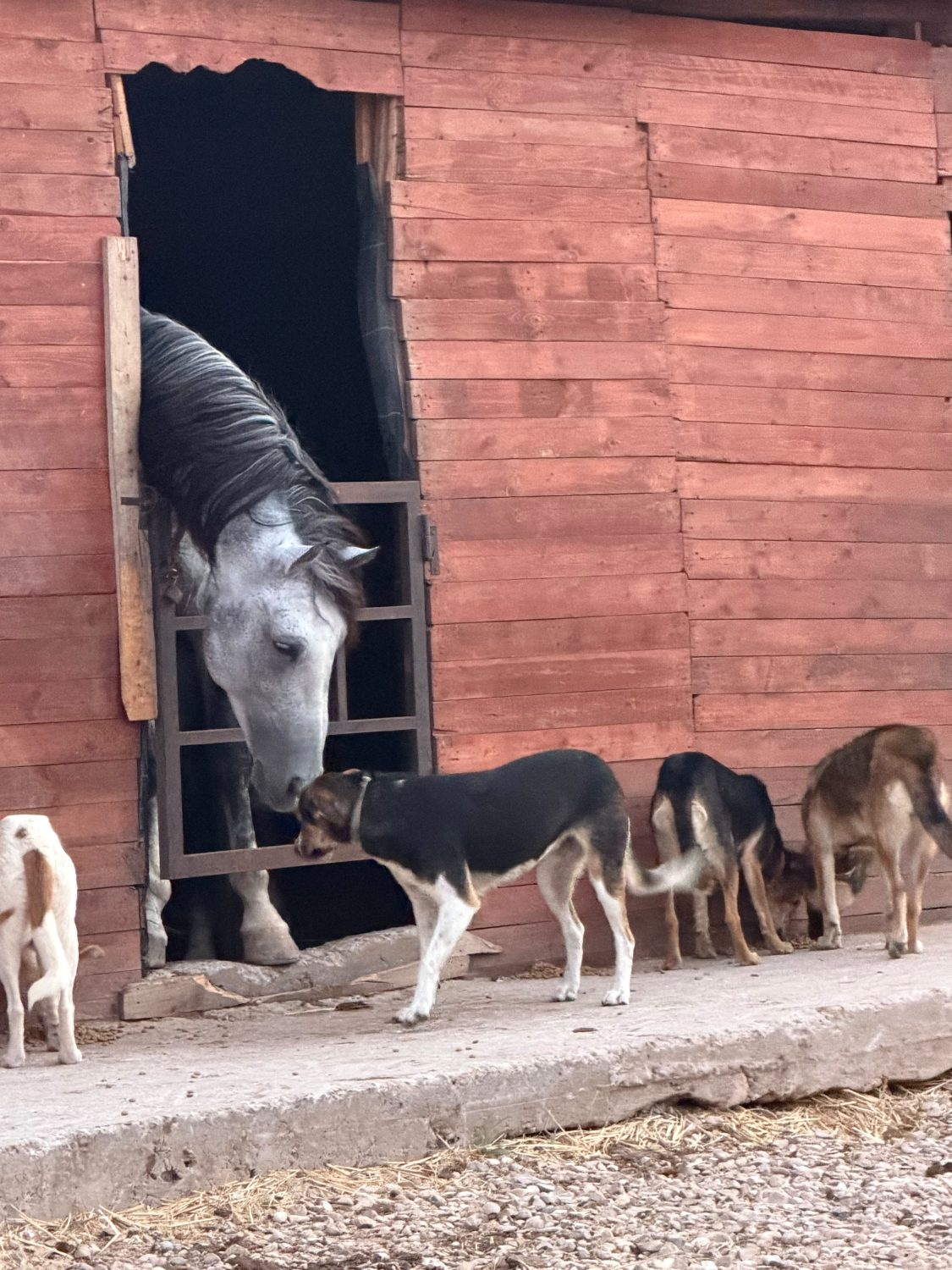
"A dog that grew up on the streets is bound to be fearful, sick or impossible to train." It's one of the most common beliefs about adoption. Yet daily experience says otherwise: adopting a street dog often means welcoming a surprisingly well-balanced companion, one capable of deep attachment. In Essaouira, we take these dogs in, care for them and socialise them before entrusting them to families. Here is what you really need to know — without romanticising or dramatising anything.
The most stubborn myths
Three beliefs come up almost every time the behaviour of an adopted street dog is mentioned:
- "It's wild." A street dog is not a wild animal: it's a domestic dog that has lived alongside humans, often since birth. It already knows our presence, our gestures, our rhythms.
- "It must be sick." Many do arrive exhausted or carrying parasites. But once treated, vaccinated, dewormed and neutered, they regain a level of health entirely comparable to that of a dog born from a breeder.
- "It'll be unmanageable at home." House training, walking on a lead and living in a flat can be learned at any age. It takes method and patience, not some special gift.
What a street dog really is
These myths about adopting a dog hide a more nuanced reality — and often a far more beautiful one.
A dog that has had to fend for itself outdoors develops a remarkable resilience. It knows how to adapt, to observe, to trust gradually. Far from being "broken," it has built up resources that few dogs pampered their whole lives ever had the chance to develop.
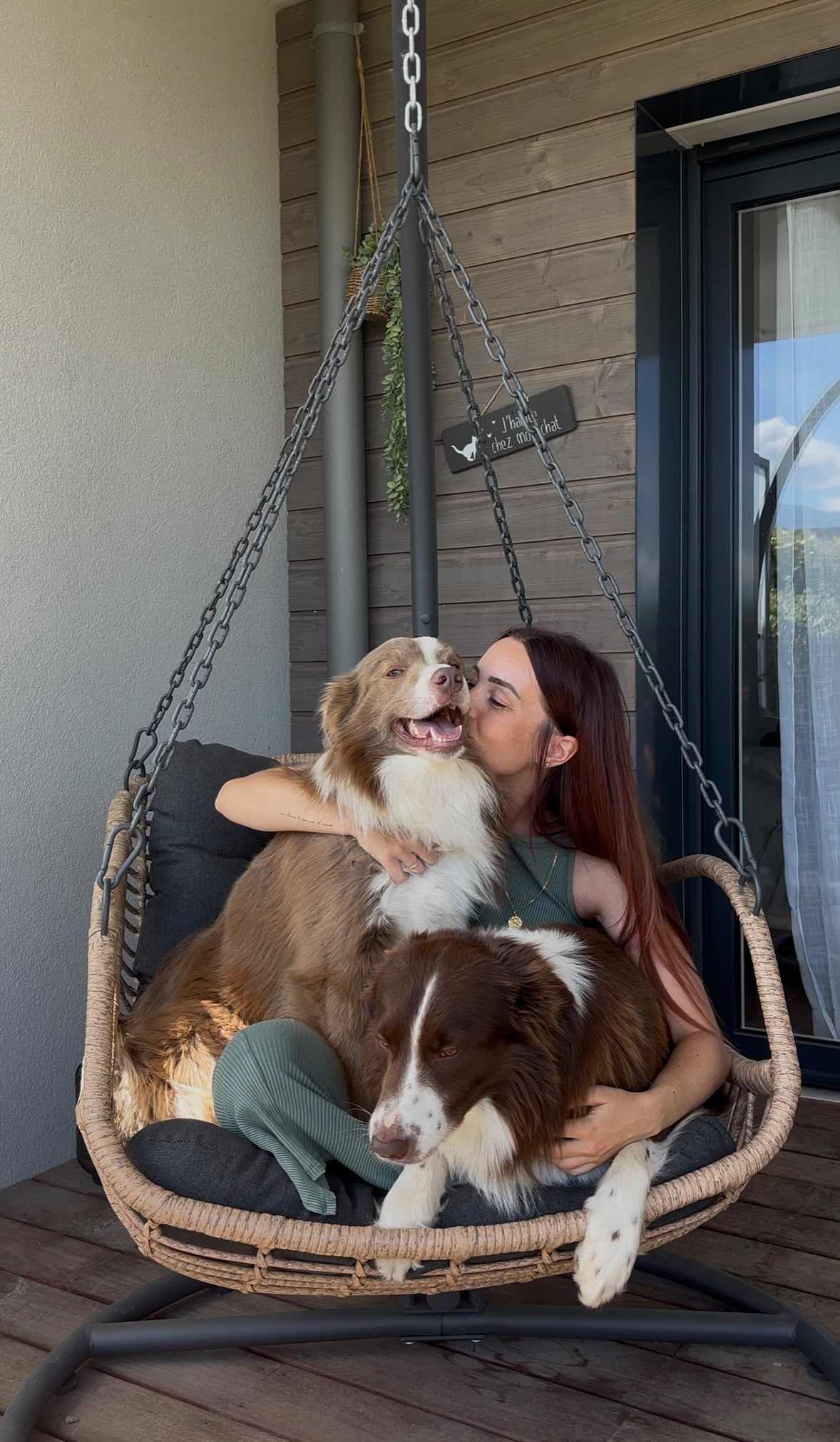
Its attachment takes many adopters by surprise. A dog discovering a warm bed, regular meals and a stable presence for the very first time clings to it with a sincerity that is genuinely disarming. This isn't some sentimental idea of gratitude — it's a bond that is woven, day after day, through consistency.
Of course, every dog is unique. Some are immediately playful and sociable; others, more reserved, need weeks to come out of their shell. Our role is to prepare you for the animal's true temperament — never to sell you an idealised picture.
The first few weeks: time and patience
Adjustment is everything. A dog changing country, climate and bearings needs a calm setting in order to settle. Here is our honest advice:
- Slow the pace down. In the first few days, keep visits, noisy outings and demands to a minimum. Let the dog explore its new territory at its own speed.
- Set up stable reference points. Regular meal and walk times reassure a dog far more than an excess of affection.
- Secure everything. A frightened dog may try to bolt: a well-fitted harness, a fenced garden and watched doors during the first few weeks.
- Accept the ups and downs. A step forward followed by a small step back is normal. Trust isn't built in a straight line.
- Ask for help. A trainer using positive methods can unlock many difficulties; and we remain available after the adoption too.
Most early struggles fade within a few weeks. What you invest in patience, the dog gives back to you in balance.
Adopting from Morocco: a serious framework
In Morocco, the management of street dogs is organised around a national programme known as TNVR (Trap, Neuter, Vaccinate, Release), overseen since 2019 by an agreement bringing together several ministries, ONSSA and the veterinary board. The dogs are neutered, vaccinated against rabies, dewormed and then identified. The country is making progress, with its own means and challenges, driven by the authorities and by many committed Moroccans alike.
Bringing a dog into Europe involves specific steps: microchip identification, a rabies vaccination, a mandatory blood-titre test carried out in an approved laboratory, and a valid passport. Allow a realistic timeframe of four to five months. As the rules change regularly, always check the ones currently in force — and go through a reputable association that handles these steps for you.
We are far from alone on the ground, either. In Essaouira and beyond, other groups such as La Kasba de Loulou, Comme Chiens et Chats and Help the Street Animals of Morocco are working towards the same goal. Together, we move the cause forward.
What now?
Adopting a street dog is neither a risky gamble nor a heroic mission: it's a meeting, prepared with care. If the adventure appeals to you, you can adopt, become a foster family, sponsor a dog or support our care work with a donation. Follow us on Instagram @wildsunrescuedogs or write to us at contact@wildsunrescuedogs.com — we'd be delighted to guide you every step of the way.
Quick quiz
Did it all sink in? Test your knowledge with a few questions.
Quick quiz
Answer to test your knowledge — the results show on click.
1. Is a street dog a wild animal?
A street dog is a domestic dog that has always lived alongside humans, not a wild animal.
2. What does Morocco's "TNVR" programme stand for?
TNVR means trapping street dogs, neutering them, vaccinating them and then releasing them — a more humane approach.
3. To bring a dog from Morocco into Europe, which step is mandatory because of the country's health status?
As Morocco is classed as a country with an unfavourable rabies situation, a blood-titre test in an approved laboratory is required.
4. What's a good instinct during the first few weeks of adjustment?
Regular routines and a calm setting reassure a dog far more than an excess of stimulation early on.
5. How does Wild Sun Rescue see itself in relation to other Moroccan associations?
Wild Sun Rescue works alongside other reputable associations: together, they advance animal welfare.